

Lyme Disease And Neurofeedback
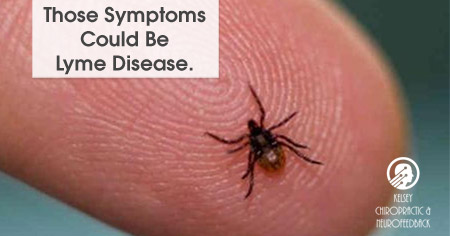
Lyme Disease is an infectious disease caused by a tick bite lasting more than 48 hours. It is estimated that 300,000 people become infected with Lyme Disease every year. Many people don’t know they are infected. But if it goes untreated, the infection can spread to the joints, the heart and the nervous system. Patients.. read more →
PTSD, Dreams, and Neurofeedback

From Biofeedback for the Brain by Paul G. Swingle, Ph.D. “FREQUENTLY ASKED QUESTIONQ: I had an alha/theta treatment at the back of my head and that night I had many dreams. The next day I was quite emotional but after a few days I felt great. What happened? A: Clients frequently recall long-forgotten.. read more →
“ADD” Patterns Can Look Worse While Actually Improving

From Biofeedback for the Brain by Paul G. Swingle, Ph.D. “FREQUENTLY ASKED QUESTIONS: Q: My husband thinks that neurotherapy is BS because our daughter’s brainwave ratios became worse after we started treatment, even though her teacher felt she was improving. Is the treatment working, even though the numbers got worse? A: .. read more →
Could Your Brain Be Telling You Something?
Our brains are very good at letting us know when something is wrong. Being tired, angry or just confused could be signals that the brain needs attention. However, fatigue may not just be a lack of sleep. Likewise, anger may be more than a reaction to present events. It could be that the brain is.. read more →
Drugs and Neurofeedback: Frequently asked Questions

From Biofeedback for the Brain by Paul G. Swingle, Ph.D. “FREQUENTLY ASKED QUESTION: Q: My son uses drugs. He will not come to see you, and I think the reason is because he thinks you will be able to tell that he has used drugs. Can you tell from his brain if he has used.. read more →
Autism and Asperger’s Brainwaves on qEEG
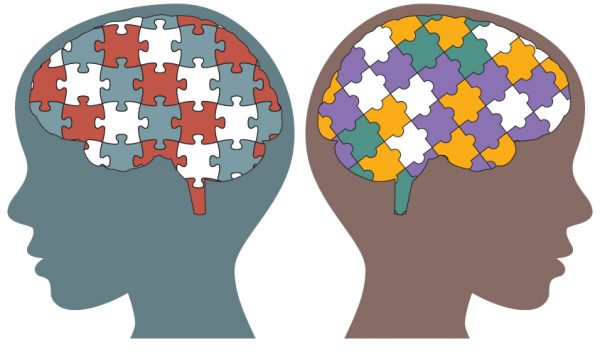
From Biofeedback for the Brain by Paul G. Swingle, Ph.D. “Excessively high theta amplitude in the back portions of the brain is often found in children with autism and Asperger’s. . . . . High theta/beta ratios in the back of the brain are related to the detached states seen in autism; the.. read more →
Alcoholics and Neurofeedback

Frequently Asked Questions in Biofeedback for the Brain by Paul G. Swingle, Ph.D. “Question: I come from a long line of alcoholics, so obviously it’s genetic. Can neurotherapy help my predisposition toward alcoholism? Answer: The brain is remarkably plastic, meaning it can be modified. So even genetic conditions can be modified.” read more →
Autism and Neurofeedback Questions

From Biofeedback for the Brain by Paul G. Swingle, Ph.D. ” FREQUENTLY ASKED QUESTION” Q: My autistic daughter was treated by a nurse who conducted brainwave biofeedback. My daughter became much worse. The nurse said that this outcome had nothing to do with her treatment and that my child was not a good candidate.. read more →
Epilepsy: Frequently Asked Questions
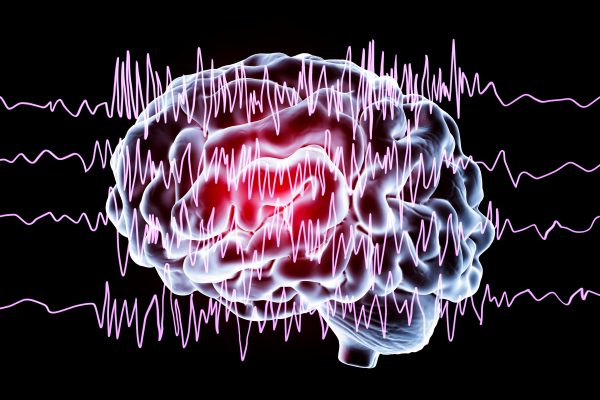
From Biofeedback for the Brain by Paul G. Swingle, Ph.D. “FREQUENTLY ASKED QUESTIONS: Q. I am epileptic, and my doctor says I have to take medication for the rest of my life. She says there is no evidence that neurotherapy helps. Does neurotherapy (neurofeedback) reduce seizures? A. Go to the Internet and look up neurotherapeutic.. read more →
Seizures, SMR Natural Recovery Protocol

From Biofeedback for the Brain by Paul G. Swingle, Ph.D. “The use of SMR for clinical purposes was discovered by chance. Barry Sterman, now professor emeritus at the University of California School of Medicine, found that SMR in cats could be increased in amplitude by experimental procedures that quieted the cat’s body. He.. read more →