
Oppositional Defiant Disorder & ADHD

From Healing Young Brains by Robert Hill, Ph.D. and Eduardo Castro, M.D. “The essential features of oppositional Defiant Disorder (ODD) are, of course, being defiant and/or oppositional. ODD also includes a chronic negative attitude. In the more severe cases, there is overt hostility toward authority, which can eventually lead to trouble with the law. Children.. read more →
ADHD and Lack of Protein at Breakfast
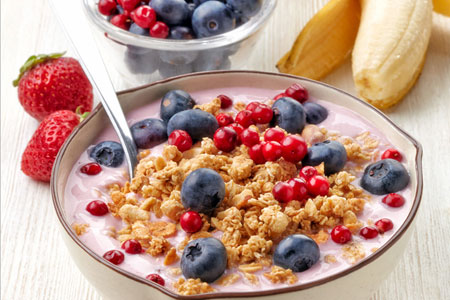
From: Parenting Children with ADHD/10Lessons That Medicine Cannot Teach by Vincent J. Monastra, Ph.D. “Neurotransmitters like dopamine are manufactured in our bodies from foods with high protein content, such as meats, fish, poultry, eggs, dairy products, certain beans, and nuts. This manufacturing process takes place primarily in the morning and early afternoon. Although the body.. read more →
Neurofeedback: Good News and Bad News from Psychology Today
Letter to the Editor: “The good news is that Jim Robbins’ recent story on EEG neurofeedback motivated readers to trawl the internet to learn more. We were surprised when several found us at…..to ask about the …and book we are producing on Dr. Eugene Peniston and Alfonso Bermea, and about their success in treating alcoholism,.. read more →
Anxiety and ADHD, Natural Cure Neurofeedback
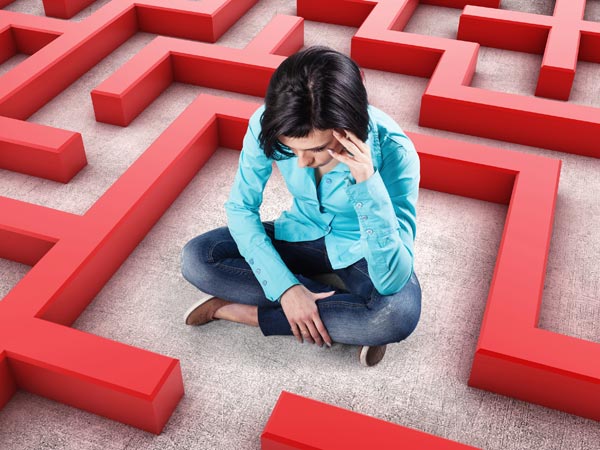
From Healing Young Brains by Hill, Ph.D., and Castro, M.D. ANXIETY is a very pervasive disorder that also knows no boundaries. Anxieties are prevalent in every nook and cranny of this and every other country, and they are not limited to age, gender, or socioeconomic status. CHILDREN frequently have anxieties about.. read more →
Sleep Disorders: Insomnia in Adults and Children

Listen to Fred Moore’s comments on how we helped him sleep naturally and normally every night after neurofeedback treatments. He had rarely slept over three hours a night for many years. Our treatments helped him both professionally and in his personal life. He and many of our ADD/ADHD children sleep better. From Healing Young Brains.. read more →
Understanding Misophonia
From WebMD “Misophonia. Do Nails on a chalkboard make you cringe? Imagine if a sound could make you panic or fly into a rage. This is the case with misophonia . . . . a strong dislike or hatred of specific sounds. Misophonia, also known as selective sound sensitivity syndrome, starts with a trigger. It.. read more →
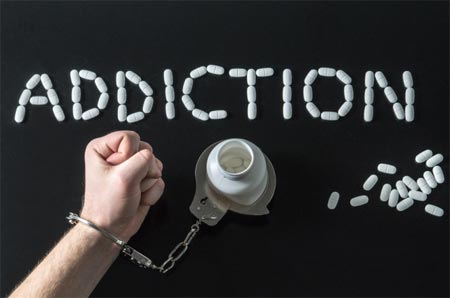
Addiction, Alcohol, ADHD Neurofeedback
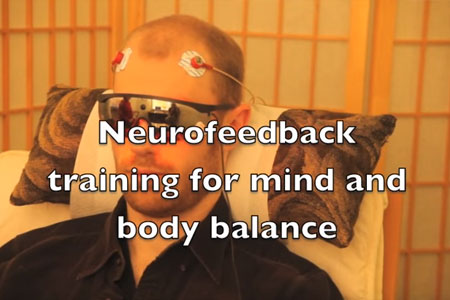
From Healing Young Brains. By Hill, Ph.D., and Castro, M.D. ” Alcohol, drugs, and ADHD are freequent companions. Virtually every study we have seen supports this conclusion, and it certainly holds up in our clinical practice. Using drugs and alcohol is an “easy” way to cope with difficult situations. As one of our twenty-year-old patients.. read more →
Neurofeedback in practice successful ADHD treatment
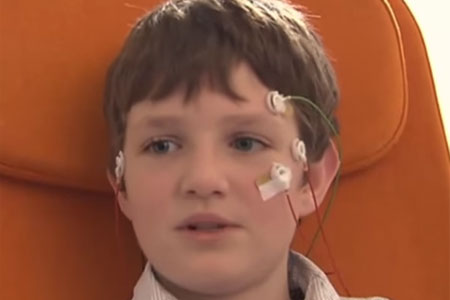
From Healing Young Brains by Robert Hill, Ph.D. and Eduardo Castro, M.D. The essential features of oppositional defiant disorder (ODD) are, of course, being defiant and/or oppositional. ODD also includes a chronic negative attitude. In the more severe cases, there is overt hostility toward authority, which can eventually lead to trouble with the law. Children.. read more →
Brain training: The future of psychiatric treatment?
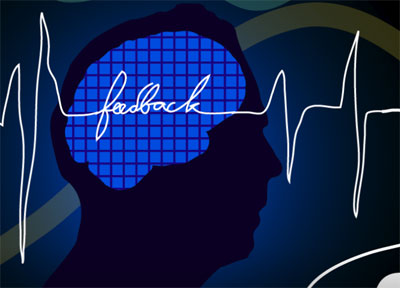
What if you could make your brain healthier by watching a movie? From Harvard University comes the following: “Brain training is becoming increasingly feasible using a technique called neurofeedback, which allows individuals to change the way their brains function by responding to personalized feedback about how their own brains work naturally. This is one approach.. read more →
Traumatic Brain Injuries and Whiplash
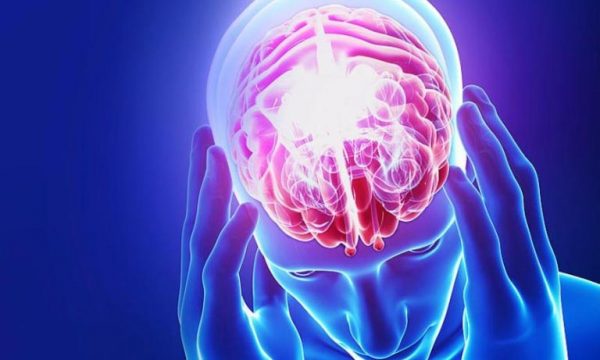
Biofeedback for the Brain. Paul G. Swingle, Ph.D. “The brain is nearly always capable of recovery and growth. Mark Rosenzweig’s research at the University of California at Berkeley showed the brain-cell populations are affected dramatically by experience. At a fundamental level, Bruce Lipton has shown that genes do not determine behavior but must be “turned.. read more →