

ADHD, Anxiety, Depression. TBI: Best Natural Help

The Promise of Neurotherapy in the Future From Biofeedback for the Brain by Paul G. Swingle, Ph.D. “THE FIELD OF NEUROTHERAPY IS DEVELOPING AT AN ACCELERATED PACE. For diagnosis and assessment, therapists are able to compare the brain functioning of clients to data banks of the brain functioning of many different groups of people. .. read more →
A Simple Answer To “What Is Neurofeedback”

We get asked a lot, “What Is Neurofeedback?” Here is simple answer: Imagine a musical quartet. 3 of you know a song by heart, but the fourth doesn’t. As a result, any performance will suffer, even though 3 of you know the song perfectly. The effect of that fourth player impacts the entire performance. So.. read more →
Get Back In “The Zone” With Neurofeedback

Stay In Control And Function Under Pressure To understand how easily the brain can impact our ability to stay in control, imagine you are walking across a balance beam. If the beam is only 6 inches off the ground, this is a simple task. But if the beam is 60 feet off the ground, panic.. read more →
Misophonia
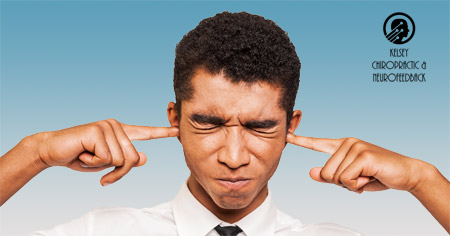
Sensitivity To Sound: There’s A Name For That…And A Solution Misophonia is an over-sensitivity to sounds that can trigger feelings of anxiety, anger and fear. Many people suffer from this condition without ever knowing it. Simple sounds that most people tune out, like the hum of an air conditioner, can become unbearable for those with.. read more →
Ritalin and ADHD

From Biofeedback for the Brain by Paul G. Swingle, Ph.D. “Nora Volkow, a psychiatrist with the Brookhaven National Laboratories, points out that Ritalin is a more potent dopamine transport inhibitor than cocaine. The inhibitors increase dopamine in the brain, which, in turn, has a stimulating and energizing effect. The typical dose of Ritalin for.. read more →
Absence Seizures and Neurofeedback

From Biofeedback for the Brain by Paul G. Swingle, Ph.D. “Jerry’s blank periods seemed to be absence seizures. An absence seizure is a condition in which the person appears to go blank, stares “through you.” does not respond to verbal commands, and appears to be in a hypnotic trance. The seizures may occur frequently .. read more →
Neurofeedback Explained

Here’s How Neurofeedback Works For Most Mental Health Conditions A lot of people simply don’t understand neurofeedback. This explains why many are hesitant to try it. But for anyone dealing with issues relating to their brain, neurofeedback could be the best option for healing. So let’s learn how neurofeedback works. Imagine a series of islands.. read more →
Autism: Crying, Laughter
From Biofeedback for the Brain by Paul G. Swingle, Ph.D. Question and Answer about Autism and Breakthroughs: “Question: My son is being treated for autism. Recently he is crying more than usual and seems shy around people. Histherapist says this is OK. Should I be concerned? Answer: When autistic.. read more →
Obsessive Behavior: How to overcome the urges

Most people have some minor form of obsessive behavior. Whether it’s a simple routine of having your coffee first thing when you wake up or needling to organize a closet or room constantly. It serves as a minor therapy to make you feel better about the space around you. However, for some people the obsessive.. read more →
Autism and Asperger’s
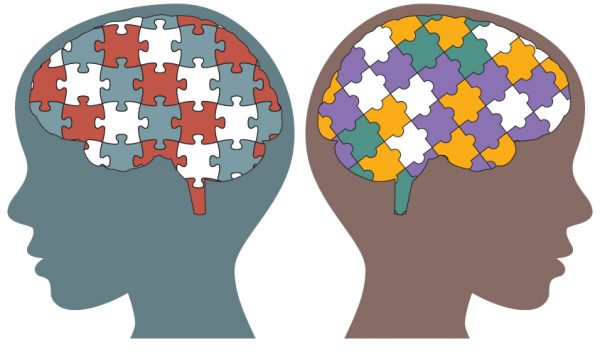
From: Biofeedback for the Brain By: Paul G. Swingle, Ph. D. “Q: What is the difference between Autism and Asperger’s? A: Both these conditions vary in symptoms and severity, so there can be some degree of overlap. However, one feature that often distinguishes the two conditions is that of.. read more →