

Brain Injury and Neurofeedback Studies
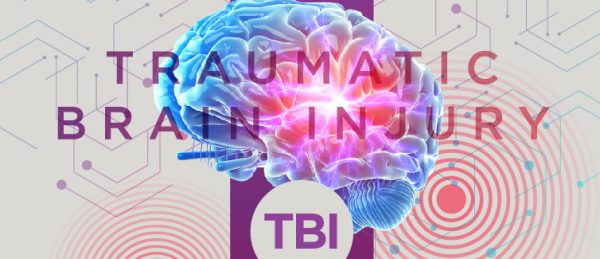
FromBiodfeedback for the Brain by Paul G. Swingle, Ph.D. “Some of the studies on the efficacy of neurotherapeutic treatment of brain injury have been encouraging. Jonathan Walker, a neurologist in private practice in Dallas, and his associates conducted a study of twenty-six patients with TBI treated with neurotherapy. Of these patients, 88 percent.. read more →
Living With Dementia: An Alternative To Drugs May Help
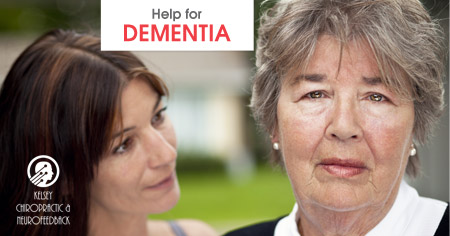
It can be extremely hard to watch a parent or grandparent slowly slip away and lose their precious memories of family. While dementia is a terrible way to live one’s final years, it can be far tougher on those who are tasked to care for them. Here is something you may not know: Previous studies.. read more →
Obsessive Compulsive and Neurofeedback

From: Biofeedback for the Brain by Paul G. Swingle, Ph.D. “The ratio of particular importance at the frontal midline is the HF/beta ratio. The normal range has been found to be between 0.45 and 0.55. Values much above this range indicate obsessive, compulsive, inflexible, and highly repetitive behaviors. Values below this range are.. read more →
Traumatic Brain Injury and Neurofeedback
From Biofeedback for the Brain by Paul G. Swingle, Ph.D. ” TRAUMATIC BRAIN INJURY: Neurotherapy (Neurofeedback) can be considerable benefit in the treatment of mild TBI. . . . .the full brain map is analyzed for high theta/beta and delta/beta ratios. An injury sustained in an automobile accident in which the person struck the.. read more →
Is Your Child Bouncing Off The Walls? There Could Be A Reason
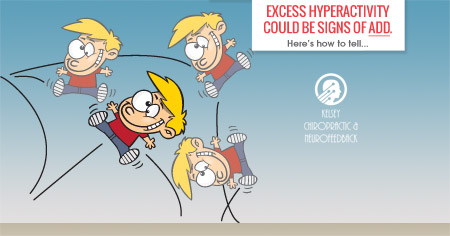
Let’s face it, young kids need constant stimulation. Their minds are still developing and they are curious about everything. This is a good thing and all part of growing up. But excessive energy or an inability to maintain control or focus could be a warning of a bigger issue. Sustained Hyperactivity could signal a misfire.. read more →
Do Neurofeedback Benefits Last?

From Biofeedback for the Brain by Paul G. Swingle, Ph.D.”FREQUENTLY ASKED QUESTIONS: Q: I have heard when you stop taking antidepressant medications, the problems return. Is this also true of neurotherapy (neurofeedback)? A: Once neurotherapy fixes a brainwave anomaly, it’s fixed. Relapses are rare provided the brain changes have been stabilized.” pg. 167. read more →
Stress Kills Brain Cells: Here’s What You Can Do About It.
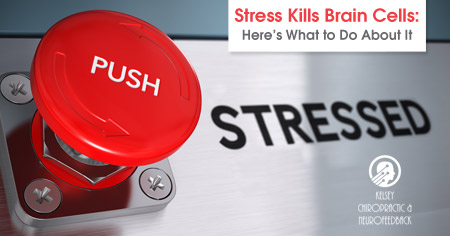
There is now overwhelming scientific evidence that stress kills brain cells. Since stress is a “state of mind”, it would make sense that the part of the body most affected would be the mind. Stress often comes from many different sources, including work, family, relationships, money, and much more. While we may not have full.. read more →
Depression and Neurological Patterns

From Biofeedback for the Brain by Paul G. Swingle, Ph.D. “Neurological patterns associated with depression, are inequality of frontal-lobe activity, deficiency of slow-wave activity (theta) or excessive fast-wave activity (beta) in the occipital (back) region of the brain, and deficiency in the 13-15 Hz activity (SMR) over the sensory motor cortex. Whether these conditions.. read more →
Neurotherapy (Neurofeedback) Primary Treatment Option

From Biofeedback for the Brain by Paul G. Swingle, Ph.D. “Neurofeedback has a broad reach. It is evolving into a primary-care alternative to prescription drugs for many disorders. Rather than sedating overactive children or forgetful seniors, neurotherapy changes the neuro-physiological bases of the problem. When administered by licensed and well-trained professionals, neurotheray has no.. read more →
PTSD Recovery With Neurofeedback

PTSD is characterized by severe anxiety following a traumatic event. Symptoms may include flashbacks, nightmares and uncontrollable thoughts about the event. PTSD can be a complicated and sometimes confusing disorder. Certain risk factors such as childhood experiences, past trauma, and a family history of depression may make a person more susceptible to the disorder. Since.. read more →