

ADD, Attention, Electronic Devices

” Arousal is the basic problem with ADD, but attention may play a major role in the person’s dysfunction. If a child cannot attend, boredom is a chief complaint. Remember, boredom is always a result of inattention. An individual with good attentional skills can spend a long time examining a leaf; someone with poor attentional.. read more →
What Common Conditions Can Be Treated with Neurofeedback?

Neurofeedback is a type of brain training or biofeedback that uses real-time data to stimulate proper brain function and train the patient to regulate their own brain waves. Neurofeedback is approaching mainstream acceptance: this article in the Washington Post about neurofeedback extols its virtues as an adjunct treatment for a wide variety of brain disorders,.. read more →
Neurofeedback for Traumatic Brain Injury (TBI)
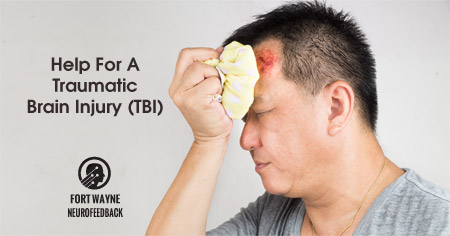
A Traumatic Brain Injury (TBI) is a brain dysfunction caused by an outside force, usually a violent blow to the head. These TBI’S are often called concussions. In fact, 30% of all injury related deaths in the US include a traumatic brain injury. As of 2016, every day, 138 people in the United States die.. read more →
ADD Attention-Focus Challenged

“Focus is the SPOTLIGHT that allows us the ability to pick our one object, task, or thought and work on it to the exclusion of other things. This is attention. People with ADD not only lack an adequate level of arousal but they often cannot focus on one specific task. This in part is arousal.. read more →
ADD: Arousal and Attention

“THE RELATIONSHIP BETWEEN AROUSAL AND ATTENTION: Arousal and attention have a unique relationship. They are not the same but they are dependent on each other. Arousal is the level of intensity, how bright or dim the light is, whereas attention is how focused the light is. Compare an ordinary hundred-watt bulb to a hundred-watt.. read more →
Light and sound therapy may boost brain function
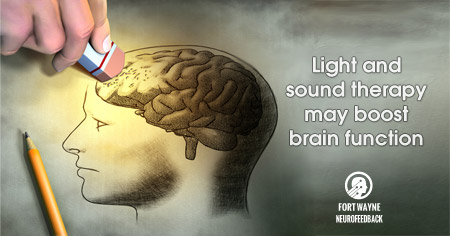
New research reveals that an innovative light and sound stimulation therapy can clear toxic plaque buildup in the brain and reduce some of the symptoms of Alzheimer’s disease and impaired cognitive functioning. The hallmarks of Alzheimer’s disease in the brain include the formation of beta-amyloid plaques and the amalgamation of tau, a toxic protein that.. read more →
Feeling Depressed? Neurofeedback May Help
Feeling Depressed? Neurofeedback May Help According to the National Institute of Mental Health, anyone experiencing some of the following symptoms consistently for at least two weeks may be suffering from depression: • Persistent sad, anxious, or “empty” mood• Feelings of hopelessness, or pessimism• Irritability• Feelings of guilt, worthlessness, or helplessness• Loss of interest or pleasure.. read more →
Inside an ADD Head
“If you would like a glimpse of what it is like to have ADD, just imagine someone walking into your room in the middle of the night, waking you from a sound sleep, and asking you to balance your checkbook. It is not that you do not have the intellect to do the task; you.. read more →
Neurofeedback Gaining Mainstream Acceptance

According to Newsweek magazine, Neurofeedback has gone mainstream. “The promise of neurofeedback is to shift our brain waves back to health without drugs, exercise or even meditation. Clients suffering from ADHD, PTSD, anxiety, anger or depression can simply sit in a comfortable chair for 30 minutes and get a mental tune-up, if not a complete.. read more →
ADD, Concentration Challenges

“The chronic low-arousal state in ADD is like someone trying to work in a dimly lit room. It is hard to concentrate, stay on task, and complete the job. It is easy to become discouraged, frustrated, bored, and depressed. The chronically under-aroused brain may seek stimulation. Stimulation seekers are frequently hyperactive; there is often a.. read more →