

Oppositional Defiance Disorder
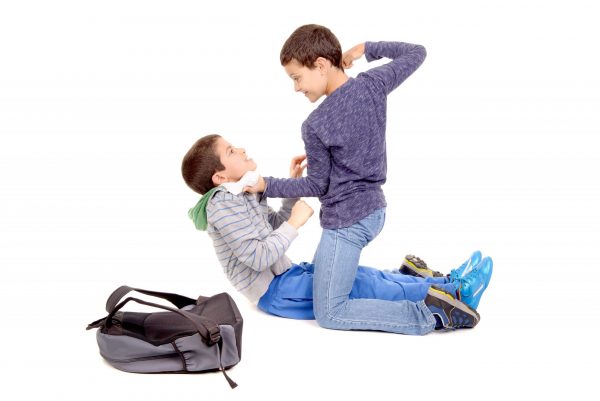
“Many scientists have reported that underactivity of the right frontal regions of the brain is associated with anger, hostility, and violent behavior. This disparity can be either genetic or the result of TBI. In my experience, this condition is more often found in males, which makes sense because males are more likely than females to.. read more →
Depression

“With adults, an inequality in the frontal lobes, with the left being less active than the right, may be found in association with frequent episodes of depression. This condition can be related to their problems as children with attention and focus; such problems result from the lack of interest and motivation associated with the early.. read more →
Occipital Theta Deficiency

” Indeed, a large percentage of adults with untreated ADHD develop alcoholism, and a disproportionate number of incarcerated offenders havd ADHD. This complex relationship of addiction and criminality to ADHD has both neurophysiological and social causes. Assume for a moment that a young adult male, let’s call him Michael, has a moderately severe form of.. read more →
High-Frontal-Alpha Attention Deficit Disorder
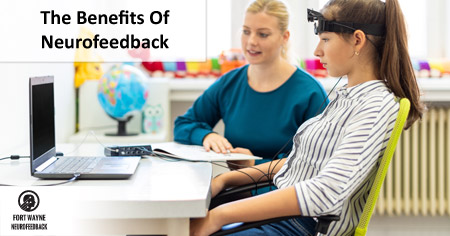
“This form of ADHD is marked by heightened alpha activity over the frontal cortex. The typical symptoms associated with this condition are poor organizational, sequencing, and planning skills and being easily distracted. The child/adult is unable to complete tasks, appears flighty, and although not having reading problems, has a problem remembering what has been read… read more →
ADHD Case Study

“The distinguishing feature of CADD (Common Attention Deficit Disorder) is excessive theta activity over the sensory motor cortex on top of the brain. Prominent characteristics of this condition are being easily distracted, daydreaming, and having problems retaining information. To give an example of how a CADD case is treated, let’s look at Molly. Molly, who.. read more →
Diagnosing ADHD

“ADHD takes many forms. Some are common and some quite rare. Some respond rapidly to treatment while others take more time. Some drive teachers and parents crazy while others elicit sympathy and caring. In some cases, the difference between a label of ADD and ADHD is the severity of the disorder. In other cases, the.. read more →
ADHD and Addictive Behavior

“Question: My brother is a drug addict and tells me that his addiction was caused by the ADHD. Is this true?” “Answer: Many adults with untreated ADHD develop problems with drugs. Often this occurs because the ADHD leads to failures that in turn lead to attempts to escape the negative feelings about being a.. read more →
Adult ADHD and Challenges

“Joel and Judith Lubar report that adults with ADD are likely to have reactive depression because of repeated failures and inability to meet their own, often unrealistic, standards. Indeed, between 70 and 80 percent of children with ADHD continue to experience significant problems in adulthood. Neurotherapists have known for some time that a far greater.. read more →
ADD/ADHD, Holistic Intervention

A HOLISTIC INTERVENTION PLAN: “A theme that I stress throughout this book is that brainwave biofeedback is not a stand alone treatment. One can markedly improve the poor functioning of the brain of an ADHD child, for example, but still not see important changes in the child’s performance, family relationships, or personal sense of.. read more →
ADHD and the Brain Map Findings

Example “After taking all the measurements, I printed out the data and made some calculations to determine the areas of Jason’s brain that showed problematic activity. I go over my calculations with clients in detail to verify that the information I have gained about their condition matches their experiences and is the reason they are.. read more →