

ADD in Children and Adults

“There are many different problems that present to us as ADD, and these must be teased out before treatment begins. Due to all the attention on ADD, many individuals label normal childhood development stages as ADD. As Dr. Budd has pointed out, many bright, active children inappropriately get negative labels that can follow them for.. read more →
“Refining the Distinctions: All is Not ADD”
Not everything that looks like ADD is ADD. Normal children and adults can have behavioral characteristics that can resemble ADD. We can all have bad days or even bad weeks. In our offices, if we juice up on a lot of coffee, our staff threatens to treat us for ADD. Frequently, we will get on.. read more →
ADD Similarities

“These are examples of how ADD presents with uniquely different behaviors in a given child. Although different, each behavior is caused by the same type of brain dysregulation. By the way, not every case that presents with symptoms like these three examples is ADD. There are many other disorders that must be ruled out before.. read more →
Hypoactive ADD can be helped.

“Linda was the stereotype of the ADD child with hypoactivity. She sat in class daydreaming and doodled on her notebook paper. She would draw little cartoon characters and have them say funny things. Some cartoons were very clever, but the notepaper was devoid of classroom notes. Linda was sweet, polite, and pretty; she was also.. read more →
ADD: Incognito

“Gerald was an easy diagnosis compared to Karl, a fourteen-year-old truant. He was in trouble with school officials for fighting, had a brush with the law for petty vandalism, and was a chronic marijuana smoker. He was the classic skinny little tough guy, yet no one considered him ADD. As it turns out, he used.. read more →
ADD: Over-Stimulation and Overload
“A normally functioning brain selects what to pay attention to and it takes an event of a certain magnitude to get it to change focus. If a non-ADD person is in the restaurant and a door slams, they may be slightly distracted but they do not necessarily lose their focus. The person with ADD can.. read more →
ADD’s Different Faces
THE DIFFERENT FACES OF ADD BEHAVIOR “As you can see, ADD can present in many different ways even though the primary problem is inadequate arousal level. Because ADD looks different from one person to the next, some people do not think ADD is a disorder, a real and often devastating disorder, and one that.. read more →
How To Deal With An ADHD Child In Public
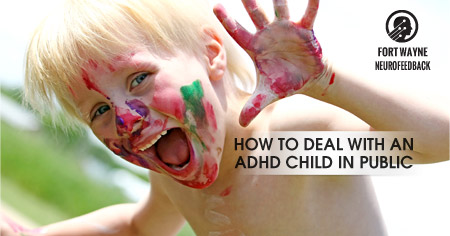
Children with Attention-deficit hyperactive disorder will often have deficits in executive function, which is the ability to think and plan ahead, to organize, control impulses and complete tasks. As a result they will not only have trouble understanding how to do what you are asking them, but will also have trouble trying to understand why.. read more →
ADD’s Different Faces

THE DIFFERENT FACES OF ADD BEHAVIOR “As you can see, ADD can present in many different ways even though the primary problem is inadequate arousal level. Because ADD looks different from one person to the next, some people do not think ADD is a disorder, a real and often devastating disorder, and one that.. read more →
ADD, Attention, Electronic Devices

” Arousal is the basic problem with ADD, but attention may play a major role in the person’s dysfunction. If a child cannot attend, boredom is a chief complaint. Remember, boredom is always a result of inattention. An individual with good attentional skills can spend a long time examining a leaf; someone with poor attentional.. read more →