

Genetic Brain Injury and Neurofeedback

“A genetic brain injury is an injury or a dysfunction that is passed from one generation to another. In working with ADD children we often feel we are working with second or third generation pathology. Because our office staff frequently gets to observe the parents while we are treating the child, it has become commonplace.. read more →
ADD and Depression

“We can hypothesize that much of the depression and ADD-type symptoms are a result of the individual feeling overwhelmed , threatened, or constantly faced with tasks that seem too large or too difficult. It is easier to let the brain slow down so the person can “zone out” or, as we call it, ” go.. read more →
Stress Injury and Neurofeedback

“STRESS INJURY: Stress may play a greater role in ADD than previously considered. The EEGs of people under stress show that these individuals begin to produce faster brainwaves (15 Hz and higher) in the beta range. This busy activity is designed to problem-solve and reduce feelings of stress. In essence, the brain kicks into a.. read more →
Difficult Childbirth and ADD
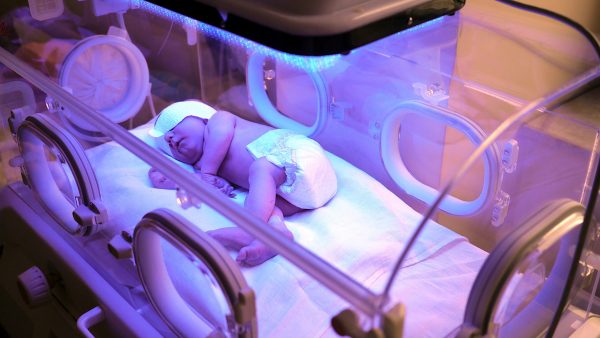
“Parents of our ADD children often relate stories like, “The cord was wrapped around his neck two times,” “He was blue as could be,” or “I was in hard labor for 26 hours.” More often than not the APGAR scores (a way of measuring a newborn’s progress in terms of coloring heart rate, respiration, reflexes,.. read more →
Toxic Metals and Neurofeedback

“We contend that brain injury from toxic metals and other pollutant exposure, is much more commonplace than people realize. Toxic levels of such heavy metals as lead and mercury have long been known to cause behavioral problems in children. We will discuss the implications of exposure to other toxic materials in chapters 9 and 10,.. read more →
Brain Injury and ADD

“BRAIN INJURY: The last major theory, which has a strong scientific basis, holds that we can experience a brain injury that will cause ADD-type behavior. This injury can be structural, functional, or both. A structural disorder is when the brain is physically damage, as with a heavy blow to the head. These injuries usually show.. read more →
ADHD and Genetics

“In more thoroughly examining the case for genetics in ADD, Dr. David Comings has written a classic work, Tourette’s Syndrome and Human Behavior. Dr. Comings has taken our understanding of the role of genetics in these disorders to new heights. This is a complex text but is well worth reading, particularly for health professionals. Dr… read more →
ADD and Environmental Influences
“ENVIRONMENTAL INFLUENCES: With a growing global awareness of how we are affected by toxins, synthetic substances, and pollutants in the environment comes the theory that ADD is caused by environmental factors. At this point in time, this theory cannot be completely ruled out or supported because nowhere near all the data is in. This is.. read more →
ADD and Parenting

“The theory that has the most popular support is that of poor parenting. It is difficult to discount the notion that poor parenting creates difficulties for children because, in fact,, it does. Years of psychiatric and psychological work and countless research articles have been enough to convince us this is true. However, we do not.. read more →
Neurofeedback To Improve Mood And Behavior

Science has revealed a lot about the human brain in recent years. We know that the frontal lobes are the center of rational thinking and self-control. And we know that that neurotransmitters, or brain chemicals, are responsible for our moods and our general state of well-being. As a result, any damage or trauma to the.. read more →