

Is Your Child Bouncing Off The Walls? There Could Be A Reason
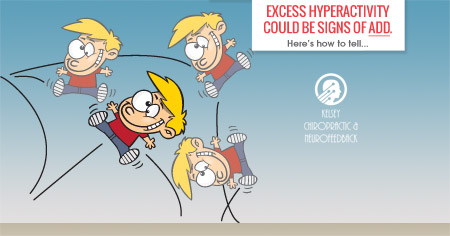
Let’s face it, young kids need constant stimulation. Their minds are still developing and they are curious about everything. This is a good thing and all part of growing up. But excessive energy or an inability to maintain control or focus could be a warning of a bigger issue. Sustained Hyperactivity could signal a misfire.. read more →
Do Neurofeedback Benefits Last?

From Biofeedback for the Brain by Paul G. Swingle, Ph.D.”FREQUENTLY ASKED QUESTIONS: Q: I have heard when you stop taking antidepressant medications, the problems return. Is this also true of neurotherapy (neurofeedback)? A: Once neurotherapy fixes a brainwave anomaly, it’s fixed. Relapses are rare provided the brain changes have been stabilized.” pg. 167. read more →
Anti Depressant Medications and Neurofeedback

From Biofeedback for the Brain by Paul G. Swingle, Ph.D. “Question and Answer on Depression Medications’ Cessation and Neurofeedback Q: My antidepressant medication really works for me. Why should I stop? A: You should stop for the same reasons alcoholics should stop burying their feelings in booze. Long-term drug effects are problematical;.. read more →
Stress Kills Brain Cells: Here’s What You Can Do About It.
There is now overwhelming scientific evidence that stress kills brain cells. Since stress is a “state of mind”, it would make sense that the part of the body most affected would be the mind. Stress often comes from many different sources, including work, family, relationships, money, and much more. While we may not have full.. read more →
Depression and Neurological Patterns

From Biofeedback for the Brain by Paul G. Swingle, Ph.D. “Neurological patterns associated with depression, are inequality of frontal-lobe activity, deficiency of slow-wave activity (theta) or excessive fast-wave activity (beta) in the occipital (back) region of the brain, and deficiency in the 13-15 Hz activity (SMR) over the sensory motor cortex. Whether these conditions.. read more →
Neurofeedback For ADHD…A Modern Day Solution?
You may have heard of “brain training” to boost intelligence or memory. If you or a child has the symptoms of attention deficit hyperactivity disorder (ADHD), there’s a type of brain training some researchers think may improve focus and help other symptoms too. It’s called neurofeedback. Several studies, including a review of five different ones.. read more →
Neurotherapy (Neurofeedback) Primary Treatment Option

From Biofeedback for the Brain by Paul G. Swingle, Ph.D. “Neurofeedback has a broad reach. It is evolving into a primary-care alternative to prescription drugs for many disorders. Rather than sedating overactive children or forgetful seniors, neurotherapy changes the neuro-physiological bases of the problem. When administered by licensed and well-trained professionals, neurotheray has no.. read more →
PTSD Recovery With Neurofeedback

PTSD is characterized by severe anxiety following a traumatic event. Symptoms may include flashbacks, nightmares and uncontrollable thoughts about the event. PTSD can be a complicated and sometimes confusing disorder. Certain risk factors such as childhood experiences, past trauma, and a family history of depression may make a person more susceptible to the disorder. Since.. read more →
Why You Should Consider Neurofeedback (Hint: It Works!)

You may have heard the name neurofeedback before and wondered what it is. Some may think it’s just some fad or a dangerous untested medical procedure. You are not alone, especially with all the misinformation available online. But 50 years of research have demonstrated that neurofeedback should be given serious attention. Here’s why: Brainwaves affect.. read more →
Bipolar Depression and Neurofeedback

From: Biofeedback for the Brain by Paul G. Swingle, Ph.D. “FREQUENTLY ASKED QUESTION Q: I have bipolar depression. Can neurotherapy help? A: Typically with bipolar clients, I find problems in the frontal lobes and usually a slow-frequency deficiency in the back of the brain. With multiple problematical areas to be corrected,.. read more →