

Seizures and Neurofeedback

“In 1968, in the journal Physiology and Behavior, M. Barry Sterman, a psychologist at the University of California, Los Angeles School of Medicine published the results of his experiments training cats to control their own brainwaves. Later, in 1972 Sterman published the first scientific paper about using brainwave feedback to suppress seizures in a.. read more →
“It’ All In Your Head”
In his book A Symphony in the Brain, journalist Jim Robbins wonders why a field with such enormous promise, as neurotherapy is still not well known. It has been practiced by therapists for almost four decades. Numerous studies have shown that it can treat serious mental conditions. Further, neurotherapy has been shown to be.. read more →
Neurofeedback, Symphony in the Brain

“When I heard that there was a new kind of biofeedback that amplifies your brain waves and allows you to make your brain stronger, I thought, wasn’t biofeedback something that came and went in the 1970’s? I had never tried it, but I associated it vaguely with the seventies, the Beatles, and transcendental meditation. .. read more →
ADD Brainwaves

“Dr. Joel Lubar of the University of Tennessee saw this relationship very clearly, and after working with Dr. Sterman for several months began applying his model to children with ADD. Dr. Lubar and wife Judith began training children using brainwave biofeedback to reduce the four to seven hertz range and increase the brainwaves above 14.. read more →
ADD and Seizures

“Dr. Barry Sterman’s work had a profound impact on the development of a theoretical mode for ADD. His work consisted of using neurofeedback to train people with seizure disorders to produce different brainwaves, thereby reducing their seizure activity. Dr. Sterman demonstrated that people with the low frequency brainwave burst that produces seizures can be trained.. read more →
Genetic Brain Injury and Neurofeedback

“A genetic brain injury is an injury or a dysfunction that is passed from one generation to another. In working with ADD children we often feel we are working with second or third generation pathology. Because our office staff frequently gets to observe the parents while we are treating the child, it has become commonplace.. read more →
ADD and Depression

“We can hypothesize that much of the depression and ADD-type symptoms are a result of the individual feeling overwhelmed , threatened, or constantly faced with tasks that seem too large or too difficult. It is easier to let the brain slow down so the person can “zone out” or, as we call it, ” go.. read more →
Stress Injury and Neurofeedback

“STRESS INJURY: Stress may play a greater role in ADD than previously considered. The EEGs of people under stress show that these individuals begin to produce faster brainwaves (15 Hz and higher) in the beta range. This busy activity is designed to problem-solve and reduce feelings of stress. In essence, the brain kicks into a.. read more →
Difficult Childbirth and ADD
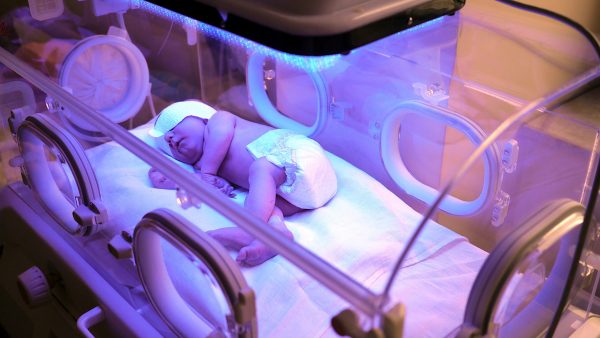
“Parents of our ADD children often relate stories like, “The cord was wrapped around his neck two times,” “He was blue as could be,” or “I was in hard labor for 26 hours.” More often than not the APGAR scores (a way of measuring a newborn’s progress in terms of coloring heart rate, respiration, reflexes,.. read more →
Toxic Metals and Neurofeedback

“We contend that brain injury from toxic metals and other pollutant exposure, is much more commonplace than people realize. Toxic levels of such heavy metals as lead and mercury have long been known to cause behavioral problems in children. We will discuss the implications of exposure to other toxic materials in chapters 9 and 10,.. read more →