

Ritalin and ADHD

From Biofeedback for the Brain by Paul G. Swingle, Ph.D. “Nora Volkow, a psychiatrist with the Brookhaven National Laboratories, points out that Ritalin is a more potent dopamine transport inhibitor than cocaine. The inhibitors increase dopamine in the brain, which, in turn, has a stimulating and energizing effect. The typical dose of Ritalin for.. read more →
Absence Seizures and Neurofeedback

From Biofeedback for the Brain by Paul G. Swingle, Ph.D. “Jerry’s blank periods seemed to be absence seizures. An absence seizure is a condition in which the person appears to go blank, stares “through you.” does not respond to verbal commands, and appears to be in a hypnotic trance. The seizures may occur frequently .. read more →
Autism: Crying, Laughter
From Biofeedback for the Brain by Paul G. Swingle, Ph.D. Question and Answer about Autism and Breakthroughs: “Question: My son is being treated for autism. Recently he is crying more than usual and seems shy around people. Histherapist says this is OK. Should I be concerned? Answer: When autistic.. read more →
Autism and Asperger’s
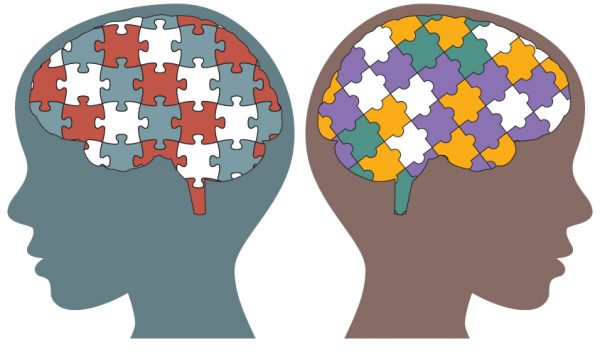
From: Biofeedback for the Brain By: Paul G. Swingle, Ph. D. “Q: What is the difference between Autism and Asperger’s? A: Both these conditions vary in symptoms and severity, so there can be some degree of overlap. However, one feature that often distinguishes the two conditions is that of.. read more →
Brain Injury and Neurofeedback Studies
FromBiodfeedback for the Brain by Paul G. Swingle, Ph.D. “Some of the studies on the efficacy of neurotherapeutic treatment of brain injury have been encouraging. Jonathan Walker, a neurologist in private practice in Dallas, and his associates conducted a study of twenty-six patients with TBI treated with neurotherapy. Of these patients, 88 percent.. read more →
Obsessive Compulsive and Neurofeedback
From: Biofeedback for the Brain by Paul G. Swingle, Ph.D. “The ratio of particular importance at the frontal midline is the HF/beta ratio. The normal range has been found to be between 0.45 and 0.55. Values much above this range indicate obsessive, compulsive, inflexible, and highly repetitive behaviors. Values below this range are.. read more →
Traumatic Brain Injury and Neurofeedback
From Biofeedback for the Brain by Paul G. Swingle, Ph.D. ” TRAUMATIC BRAIN INJURY: Neurotherapy (Neurofeedback) can be considerable benefit in the treatment of mild TBI. . . . .the full brain map is analyzed for high theta/beta and delta/beta ratios. An injury sustained in an automobile accident in which the person struck the.. read more →
Do Neurofeedback Benefits Last?

From Biofeedback for the Brain by Paul G. Swingle, Ph.D.”FREQUENTLY ASKED QUESTIONS: Q: I have heard when you stop taking antidepressant medications, the problems return. Is this also true of neurotherapy (neurofeedback)? A: Once neurotherapy fixes a brainwave anomaly, it’s fixed. Relapses are rare provided the brain changes have been stabilized.” pg. 167. read more →
Anti Depressant Medications and Neurofeedback

From Biofeedback for the Brain by Paul G. Swingle, Ph.D. “Question and Answer on Depression Medications’ Cessation and Neurofeedback Q: My antidepressant medication really works for me. Why should I stop? A: You should stop for the same reasons alcoholics should stop burying their feelings in booze. Long-term drug effects are problematical;.. read more →
Depression and Neurological Patterns

From Biofeedback for the Brain by Paul G. Swingle, Ph.D. “Neurological patterns associated with depression, are inequality of frontal-lobe activity, deficiency of slow-wave activity (theta) or excessive fast-wave activity (beta) in the occipital (back) region of the brain, and deficiency in the 13-15 Hz activity (SMR) over the sensory motor cortex. Whether these conditions.. read more →