

High Performance Neurofeedback for Traumatic Brain Injuries
HEAD INJURY: from Healing Young Brains, Castro, M.D., and Hill, Ph.D. Head injuries come in a variety of forms. Head trauma can have external causes, as in the case of a car crash, or internal injuries, as in the case of a stroke. Though the brain is incredibly tough, it is also quite delicate. It.. read more →
Depression, Anxiety, ADHD, TBI and Clear Mind Neurofeedback
Neurofeedback is widely used to treat depression, and those in the industry believe that given the number of different protocols–beta, SMR, alpha-theta, alpha–there are few instances in which drugs will be necessary in the future to treat depression. At Spectrum both beta/SMR training and the alpha-theta protocol are used, sometimes separately and sometimes together. While.. read more →
Anxiety, Panic Attacks, Obsessive-Compulsive

“Imagine if you will, living in a state of constant worry. Sometimes it is just a sense of uneasiness, at times it is a chronic state of fear, and at still other times, it is a paralysis of will. There are people who spend their entire life bracing for what could happen. Some individuals are.. read more →
New Focus on ADHD/ADD: Neurofeedback training explained and compared to medication

ADHD and ADD, Anxiety, Depression, TBI From A Symphony in the Brain: “What I found was a small subculture of people who enthusiastically practice brain wave biofeedback: the simple science of quantifying subtle electrical information from a person’s brain, amplifying it, and sharing it with that person, who can then control the information in a.. read more →
A Symphony in the Brain
“When I heard there was a new kind of biofeedback that amplifies your brain waves and allows you to make your brain stronger, I thought, wasn’t biofeedback something that came and went in the 1960s and 1970s? I had never tried it, but I associated it vaguely with the 70s, the Beatles, transcendental meditation. Biofeedback.. read more →
Neurofeedback and Substance Use Disorder
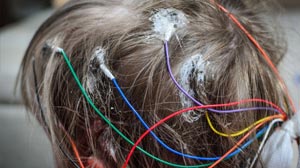
A recent article suggests the possibility that neurofeedback (NFB) can be useful in the treatment of those experiencing substance use disorders (SUD). In this article, I articulate these possibilities further. From the referenced article, I have extracted the following quote attributed to Dr. Othmer. Dr. Sigfried Othmer is director of the EEG Institute and is.. read more →
Neurofeedback To Improve Athletic Performance

During the last decade the use of Neurofeedback techniques to achieve a better athletic performance has been a booming subject. More and more athletes use mental training each day as a means of achieving the ultimate competitive edge. One of the most well-known examples is the Italian football team that won the 2004 World Cup.. read more →
Neurofeedback for Depression

Compelling research evidence exists that there is often a neurophysiological basis for depression, particularly in people with a family history of depression. Neuroscientists have discovered a particular brainwave pattern that allows us to identify individuals with a biological predisposition for developing depression. This biological marker appears to be very robust (Davidson, 1998a, b), having been.. read more →
Neurofeedback Helps Cellist Improve

“Practice makes perfect,” the saying goes. Optimal performance, however, can require more than talent, effort, and repetition. Training the brain to reduce stress through neurofeedback can remove barriers and enhance one’s innate abilities. An article in the journal Biofeedback presents the narrative of a young cellist who was able to realize the potential of his talent and eliminate debilitating.. read more →
What IS Neurofeedback?

What exactly is Neurofeedback and see how it can help children with ADHD type symptoms read more →