Stress Injury and Neurofeedback
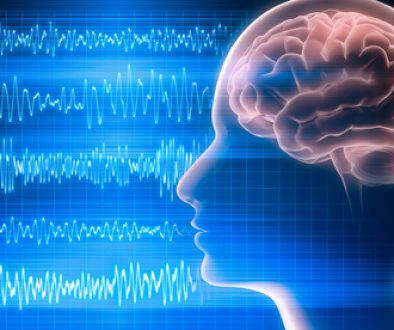
“STRESS INJURY: Stress may play a greater role in ADD than previously considered. The EEGs of people under stress show that these individuals begin to produce faster brainwaves (15 Hz and higher) in the beta range. This busy activity is designed to problem-solve and reduce feelings of stress. In essence, the brain kicks into a higher gear, becoming more alert and aroused. If the brain adapts to the stressor or solves the problem, it appears to become more comfortable and moves down to a lower frequency range. This seems to be good for the ego: there is now an element of positive self-esteem knowing one has solved the problem. There is a calming of the stress response, and the person produces more relaxed, alpha-type waves. If, however, the brain does not adapt to the stressor but instead feels assaulted, it ceases its busy activity and slips far down the continuum to the very low-frequency ranges. It goes into that foggy theta (4 to 7 hertz range) type world (pre-sleep). In some cases the brain keeps increasing its activity until the busy work becomes anxiety. So, under chronic unsolvable stress, the brain either goes to pre-sleep and sleep or to anxiety and worry. In the low-frequency ranges we find reduced alertness, difficulty learning, reduced quality and quantity of thought, depression, attentional problems, and learning deficits. These are all consistent with the ADD symptom picture. In our clinic we see a recurring pattern, namely, children and adults who are constantly exposed to stress develop a slowing of the brain The brain begins to make more low-frequency (slow) brainwaves. It appears that children and adults exposed to chronic yelling, threats, critical remarks, or tasks that seem overwhelming go into ow-range, slower waves. In other works, exposure to stress causes us to either zone out or become hyper and anxious.” From Getting Rid of Ritalin by Robert W. Hill, Ph.D. and Eduardo Castro, M.D. Many of our ADD qEEG brain maps show signs of TBI. They are responsive to neurofeedback. Drs. Kelsey