
Oppositional Defiance Disorder
"Many scientists have reported that underactivity of the right frontal regions of the brain is associated with anger, hostility, and violent behavior. This disparity can be either genetic or the result of TBI. In my experience, this condition is more often found in males, which makes sense because males are more likely than females to […]
Depression
"With adults, an inequality in the frontal lobes, with the left being less active than the right, may be found in association with frequent episodes of depression. This condition can be related to their problems as children with attention and focus; such problems result from the lack of interest and motivation associated with the early […]

Occipital Theta Deficiency
" Indeed, a large percentage of adults with untreated ADHD develop alcoholism, and a disproportionate number of incarcerated offenders havd ADHD. This complex relationship of addiction and criminality to ADHD has both neurophysiological and social causes. Assume for a moment that a young adult male, let's call him Michael, has a moderately severe form of […]

High-Frontal-Alpha Attention Deficit Disorder
"This form of ADHD is marked by heightened alpha activity over the frontal cortex. The typical symptoms associated with this condition are poor organizational, sequencing, and planning skills and being easily distracted. The child/adult is unable to complete tasks, appears flighty, and although not having reading problems, has a problem remembering what has been read. […]

ADHD Case Study
"The distinguishing feature of CADD (Common Attention Deficit Disorder) is excessive theta activity over the sensory motor cortex on top of the brain. Prominent characteristics of this condition are being easily distracted, daydreaming, and having problems retaining information. To give an example of how a CADD case is treated, let's look at Molly. Molly, who […]

Diagnosing ADHD
"ADHD takes many forms. Some are common and some quite rare. Some respond rapidly to treatment while others take more time. Some drive teachers and parents crazy while others elicit sympathy and caring. In some cases, the difference between a label of ADD and ADHD is the severity of the disorder. In other cases, the […]

Stroke Improvement with Neurofeedback
"FREQUENTLY ASKED QUESTION: STROKES Q: I had a stroke four years ago. I made a good recovery during the first year or so but little since. My physiotherapist said that most of the recovery takes place in the first two years and little thereafter. Is there any reason for optimism four years after the stroke? […]

Traumatic Brain Injury and Anxiety
"Vincent had fifteen treatment sessions before he stopped worrying about me electrically stimulating his brain. The obsessiveness, or perseveration, is common in TBI, where short term memory is compromised: patients get an idea in their heads and cannot get it out. The effects of brain injury on concentration and memory have been well documented, for […]

Neuroplasticity of the Brain
"The Plasticity of the Brain Expanding Boundaries" Another exciting avenue of research, enriching the brain's general capabilities, has tremendous potential. Traditionally, people have been taught that they have to live with the limitations they were born with. If you are born with an IQ of 85, then you have that level of intelligence […]

Fibromyalgia and Neurofeedback
"Question: My wife says that her doctor told her that fibromyalgia is caused by stress and that there is no cure. This seems contradictory to me. Can fibromyalgia be treated? Answer: Stress does not actually cause anything. It can only increase the likelihood of occurrence. Treatment of fibromyalgia is possible through neurotherapeutic correction of the […]

Is Your Brain Causing You Pain?
"Some Possible Brainwave Effects: TOO MUCH: Mental fog, pain=Delta Waves. Cannot stay focused=Theta Waves. Cannot finish projects, cannot sleep=Alpha Waves. Anxiety=Beta.TOO LITTLE: Poor sleep=Delta Waves. Cannot relax=Theta Waves. Mental chatter=Alpha Waves. Cannot concentrate=Beta Waves." pg.29 Biofeedback for the Brain by Paul G. Swingle. Too much or too little of any brain wave pattern causes symptoms […]

ADHD and Addictive Behavior
"Question: My brother is a drug addict and tells me that his addiction was caused by the ADHD. Is this true?" "Answer: Many adults with untreated ADHD develop problems with drugs. Often this occurs because the ADHD leads to failures that in turn lead to attempts to escape the negative feelings about being a […]

Adult ADHD and Challenges
"Joel and Judith Lubar report that adults with ADD are likely to have reactive depression because of repeated failures and inability to meet their own, often unrealistic, standards. Indeed, between 70 and 80 percent of children with ADHD continue to experience significant problems in adulthood. Neurotherapists have known for some time that a far greater […]

ADD/ADHD, Holistic Intervention
A HOLISTIC INTERVENTION PLAN: "A theme that I stress throughout this book is that brainwave biofeedback is not a stand alone treatment. One can markedly improve the poor functioning of the brain of an ADHD child, for example, but still not see important changes in the child's performance, family relationships, or personal sense of […]
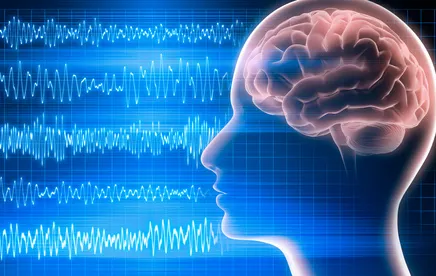
ADHD and the Brain Map Findings
Example "After taking all the measurements, I printed out the data and made some calculations to determine the areas of Jason's brain that showed problematic activity. I go over my calculations with clients in detail to verify that the information I have gained about their condition matches their experiences and is the reason they are […]

Being Sober and Neurofeedback
FREQUENTLY ASKED :Q: I saw a neurotherapist who said I had to be sober for one month before he would treat me. I cannot stop drinking. Can I be treated anyway?A: You need enough sobriety to have a minimally clear head. I have had success with those who could manage to stay sober only a […]

Neurofeedback, the First Visit
"On the first visit, a neurotherapist usually does a brainwave assessment. This assessment is an advanced form of the EEG, which measures brainwaves. The therapist measures the brain's activity at several locations on the head. The EEG uses minature electrodes that are attached to each ear and some on the head. The client feels nothing […]

Ritalin and Neurofeedback Question
" FREQUENTLY ASKED QUESTION Q: My eight-year-old's teacher said she needs Ritalin. I do not agree. What should I do? A: I would thank the teacher for her concern, tell her you are addressing the problem using nonmedication approaches, and take your daughter to a neurotherapist for […]

It's All In Your Head, Neurofeedback
"The client soon understands that the referring physician believes that the client's problems are not valid in a medical sense but are a function of the client's problems and not valid in a medical sense but are a function of the client's mental condition. My response to clients who have been told, "It's all in […]

All is not ADD
"Refining the Distinctions: All is Not ADD Not everything that looks like ADD is ADD. Normal children and adults can have behavioral characteristics that can resemble ADD. We can all have bad days or even bad weeks. In our offices, if we juice up on a lot of coffee, our staff threatens to treat […]

Alcoholism and Neurofeedback
"Although perhaps surprising, self-regulation of brain activity has been practiced for thousands of years in meditation, yoga, and the martial arts. Elmer Green, at the Menninger Clinic in Topeka, Kansas, observed that people practiced in meditation produced high amplitude, slow frequency brain signals when in profoundly relaxed states. Green further reported on the use […]

Seizures and Neurofeedback
"In 1968, in the journal Physiology and Behavior, M. Barry Sterman, a psychologist at the University of California, Los Angeles School of Medicine published the results of his experiments training cats to control their own brainwaves. Later, in 1972 Sterman published the first scientific paper about using brainwave feedback to suppress seizures in a […]
"It' All In Your Head"
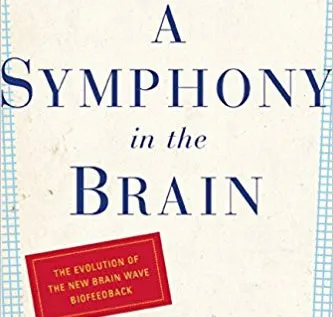
In his book A Symphony in the Brain, journalist Jim Robbins wonders why a field with such enormous promise, as neurotherapy is still not well known. It has been practiced by therapists for almost four decades. Numerous studies have shown that it can treat serious mental conditions. Further, neurotherapy has been shown to be […]

Neurofeedback, Symphony in the Brain
"When I heard that there was a new kind of biofeedback that amplifies your brain waves and allows you to make your brain stronger, I thought, wasn't biofeedback something that came and went in the 1970's? I had never tried it, but I associated it vaguely with the seventies, the Beatles, and transcendental meditation. […]

ADD Brainwaves
"Dr. Joel Lubar of the University of Tennessee saw this relationship very clearly, and after working with Dr. Sterman for several months began applying his model to children with ADD. Dr. Lubar and wife Judith began training children using brainwave biofeedback to reduce the four to seven hertz range and increase the brainwaves above 14 […]

ADD and Seizures
"Dr. Barry Sterman's work had a profound impact on the development of a theoretical mode for ADD. His work consisted of using neurofeedback to train people with seizure disorders to produce different brainwaves, thereby reducing their seizure activity. Dr. Sterman demonstrated that people with the low frequency brainwave burst that produces seizures can be trained […]

Genetic Brain Injury and Neurofeedback
"A genetic brain injury is an injury or a dysfunction that is passed from one generation to another. In working with ADD children we often feel we are working with second or third generation pathology. Because our office staff frequently gets to observe the parents while we are treating the child, it has become commonplace […]

ADD and Depression
"We can hypothesize that much of the depression and ADD-type symptoms are a result of the individual feeling overwhelmed , threatened, or constantly faced with tasks that seem too large or too difficult. It is easier to let the brain slow down so the person can "zone out" or, as we call it, " go […]

Stress Injury and Neurofeedback
"STRESS INJURY: Stress may play a greater role in ADD than previously considered. The EEGs of people under stress show that these individuals begin to produce faster brainwaves (15 Hz and higher) in the beta range. This busy activity is designed to problem-solve and reduce feelings of stress. In essence, the brain kicks into a […]

Difficult Childbirth and ADD
"Parents of our ADD children often relate stories like, "The cord was wrapped around his neck two times," "He was blue as could be," or "I was in hard labor for 26 hours." More often than not the APGAR scores (a way of measuring a newborn's progress in terms of coloring heart rate, respiration, reflexes, […]

Toxic Metals and Neurofeedback
"We contend that brain injury from toxic metals and other pollutant exposure, is much more commonplace than people realize. Toxic levels of such heavy metals as lead and mercury have long been known to cause behavioral problems in children. We will discuss the implications of exposure to other toxic materials in chapters 9 and 10, […]

Brain Injury and ADD
"BRAIN INJURY: The last major theory, which has a strong scientific basis, holds that we can experience a brain injury that will cause ADD-type behavior. This injury can be structural, functional, or both. A structural disorder is when the brain is physically damage, as with a heavy blow to the head. These injuries usually show […]

ADHD and Genetics
"In more thoroughly examining the case for genetics in ADD, Dr. David Comings has written a classic work, Tourette's Syndrome and Human Behavior. Dr. Comings has taken our understanding of the role of genetics in these disorders to new heights. This is a complex text but is well worth reading, particularly for health professionals. Dr. […]

ADD and Environmental Influences
"ENVIRONMENTAL INFLUENCES: With a growing global awareness of how we are affected by toxins, synthetic substances, and pollutants in the environment comes the theory that ADD is caused by environmental factors. At this point in time, this theory cannot be completely ruled out or supported because nowhere near all the data is in. This is […]

ADD and Parenting
"The theory that has the most popular support is that of poor parenting. It is difficult to discount the notion that poor parenting creates difficulties for children because, in fact,, it does. Years of psychiatric and psychological work and countless research articles have been enough to convince us this is true. However, we do not […]
Neurofeedback To Improve Mood And Behavior
Science has revealed a lot about the human brain in recent years. We know that the frontal lobes are the center of rational thinking and self-control. And we know that that neurotransmitters, or brain chemicals, are responsible for our moods and our general state of well-being. As a result, any damage or trauma to the […]

The Brain’s Role In Chronic Pain and Chronic Fatigue
Chronic pain is defined as any pain lasting more than 12 weeks. Chronic fatigue is a feeling of exhaustion or tiredness that does not go away with sleep. It is estimated that 20% of the US population suffers from one of these conditions. Interestingly enough, recent research has shown that the BRAIN may play an […]
PTSD: How To Heal A Traumatized Brain
PTSD is a disorder that develops in some people who have experienced a shocking, scary, or dangerous event. Symptoms may include flashbacks, nightmares and uncontrollable thoughts related to the event. This type of brain trauma can have long term negative effects on individuals and may include suicidal or homicidal thoughts. As a result, scientists in […]

No ADD in the First Place
"Perhaps the most interesting theory of all is the theory that proposes there is no such thing as ADD. Even today in our clinic, we have people to say, "There is nothing wrong with him; he just needs a good kick in the pants," or some other colorful phrase indicating there is no problem […]
Using Technology To Help A Child With ADHD
No doubt most people have heard the term “brain training”. This can apply to a wide range of therapies and practices. Some are old school, like counseling and psychotherapy, but many more are using cutting edge technology and science to make real time changes in the brain. But do these therapies work? Can technology actually […]

What Causes ADD?
There are many theories. One is "Family Discord: a theory that has a lot of support is the family discord concept. The theory suggests that a chaotic family life or marital discord in the family would cause the children affected by those stresses to become ADD. In cases where the marital discord is affected by […]
ADHD-Correcting the Problem
"Regulating the brain to a more functional pattern may not fix the individual stresses in one's life, but at least the brain can take a more active role in problem solving. Untreated, the individual may be driven ever deeper into nonfunctional and slow brainwave patterns. Neurofeedback is a treatment that can normalize the dysfunctional […]

ADD and Depression, Anxiety, Conduct Problems
"Studies have estimated that 30 percent of people with ADD are depressed, 30 percent have an anxiety disorder, and 50 percent have conduct problems. This does not make for a happy life. Those with ADD usually receive a lot of criticism. It seems that someone is always critical of their behavior and performance. If it […]
Lyme Disease: There Is Hope
Lyme Disease is an inflammatory disease caused primarily from tick bites. The bacteria that is transmitted into your system can lead to arthritis and neurological / cardiac disorders. It is estimated that 300,000 people become infected with Lyme Disease every year. Sadly, many don’t know they are infected and live with it for life. Common […]

ADD and DRUG ABUSE and ALCOHOL
The Link between ADD and Drugs and Alcohol Alcohol, drugs, and ADD are frequent companions. Virtually every study we have seen supports this conclusion, and it certainly holds up in our clinical practice. Using alcohol and drugs is an "easy" way to deal with difficult situations. As one of our twenty-year-old patients put it. […]

A Better Way To Eliminate Migraines?
For those who suffer from migraines, they know it is so much more than a headache. It can cripple even the strongest person and leave them unable to function. An estimated 13% of adults in the U.S. experience migraines on a regular basis. Migraine causes are more likely to be rooted in the brain. They […]

Addiction Recovery With Neurofeedback
As you may imagine, significant research has gone into studying how the brain is affected by addictive substances like alcohol and drugs. But researches have also been studying how brain patterns may actually trigger addictive tendencies as well. The answers may help us to identify patterns that can lead to addiction. If you think about […]

Your Brain May Be Trying To Warn You
The human brain is an amazing system of synapses and neurons that work together to create consciousness and highly intelligent thought. But like all complex systems, it can start to function less effectively over time without care and maintenance. And it will often give us warning signs when problems occur. Being tired, angry or forgetful […]

ADD and Risk of Prison
"Although this statement will probably invite challenge, we strongly contend that our jails, prisons, and juvenile detention centers are full of ADD adolescents and adults. After all, we are talking about risk takers, individuals who have no fear but who cannot foresee consequences. It is easy to see that there is a recipe for […]

ADD and Road Rage, Natural Help
"If people are aware they are ADD, they may exercise more caution and be very careful, methodical drivers to compensate for their inattention. Others do not compensate or even realize their driving style is risk-taking. Many people who are ADD are often too distracted to know it, but they be a driving nightmare for everyone […]

ADD and Driving–A Dangerous Mix
"ADD and Driving–A Dangerous Mix ADD people are individuals who cannot see consequences. They have five times more auto accidents than people without ADD. Adults send adolescent drivers out at night with no medication because if they get the medication they cannot sleep. So, a 3,500 pound automobile that will travel at speeds greater […]

Women with ADD
"Because we have a general practice, people frequently do not come in for neurofeedback, even though their problem indicates that neurofeedback would be the most effective treatment. Ann and Tom came in for marital therapy at Tom's insistence. He was ready to leave Ann if things did not change. Tom reported Ann was smart, loving, […]

Professionals with ADD
"DON'T STAND UP AND GIVE A TALK: Adults with ADD are too easily distracted to give good talks. They are bright, enthusiastic, and witty, but they ramble. It is impossible for them to stay on track. If someone does something distracting, they are lost. For example, if asked a question, their answer is likely […]
Adult ADD and Neurofeedback
John was a thirty-nine-year-old independent contractor who built small single-family houses. He came to us because of a long history of ADD that he readily acknowledged was a condition which kept him from being more successful. He reported that he was sure his father was ADD and perhaps one of his brothers. He wanted help. […]

Adult ADD and Neurofeedback
"Once again family and friends shake their heads in frustration. Adults with ADD are usually good "idea people" but need to have the backup of steady workers. They are good for the short projects that do not require much follow through. In the office we frequently put a stopwatch on the children and monitor […]

Are You Tired All The Time? There could be a bigger issue
According to the CDC, Chronic fatigue syndrome (CFS) is a disorder characterized by profound fatigue on a regular basis. It is NOT improved by bed rest and can even be worsened by physical or mental activity. The symptoms affect several body systems and may include: Weakness Muscle pain Impaired memory/concentration Depression Insomnia CFS is classified […]

Adult ADHD, Great Idea!
Adults with ADD are often very bright and come up with great ideas. They tell us about these ideas and we get excited for them. They take off like a whirlwind doing things, arranging things, setting things up. For those of us who love them, we feel they have finally found themselves. They are finally […]

How Your Gut Can Affect Your Mind
The microbes that live in your body might just be influencing your behavior. You might be tempted to think that the skin we use to touch and feel is the largest interface we have with our surroundings. But you would be wrong; our gut is much bigger. And how it behaves may have a significant […]

"Adults with ADD–The Problem Doesn't Automatically Go Away"
Adults with ADD generally present with the same symptoms as children. However, the stakes tend to be higher and the ramifications of the problems are much broader. There is a long-held misconception, even among some professionals, that children will "grow out" of their ADD, thereby becoming "normal" adults. In reality, ADD does not always […]

Too Much Sun Isn't Just Bad for Your Skin.
Direct Heat To Your Head Could Impair Cognitive Performance There are plenty of benefits of direct sunlight: Vitamin D serves many important functions, and has been shown to reduce your risk of dying from coronavirus. And sunlight can also naturally boost your mood if you've been suffering from anxiety and depression. But we all know […]

ADD in Children and Adults
"There are many different problems that present to us as ADD, and these must be teased out before treatment begins. Due to all the attention on ADD, many individuals label normal childhood development stages as ADD. As Dr. Budd has pointed out, many bright, active children inappropriately get negative labels that can follow them for […]
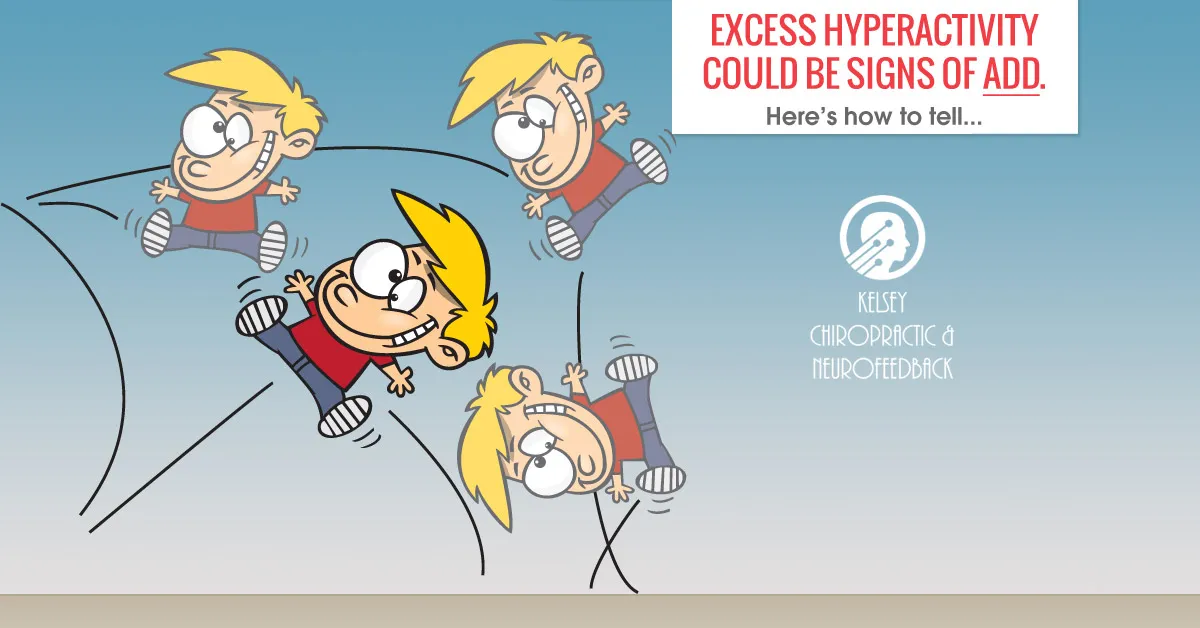
"Refining the Distinctions: All is Not ADD"
Not everything that looks like ADD is ADD. Normal children and adults can have behavioral characteristics that can resemble ADD. We can all have bad days or even bad weeks. In our offices, if we juice up on a lot of coffee, our staff threatens to treat us for ADD. Frequently, we will get on […]
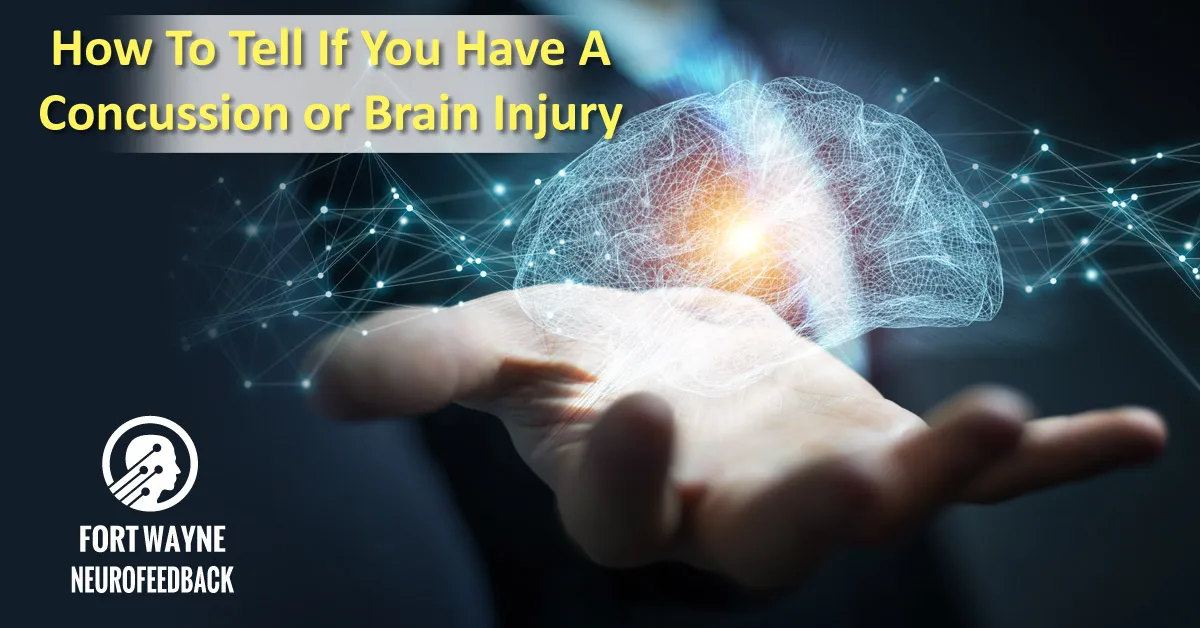
How To Tell If You Have A Concussion or Brain Injury
Brain injuries are more common than most people realize. even something as simple as banging your head on a door can disrupt brainwaves and rhythms. But when do you know for sure you have a concussion or brain injury that requires help? Here are some warning signs: 1. Can't think clearly or remember important information. […]

Effective Help For Depression?
A huge number of people in America (and the world) suffer from some sort of depression. Even more go undiagnosed. For those who have been diagnosed, the #1 method of treatment is prescription medications. While they do offer relief, consider this: Medications won’t cure the problem or make it go away permanently. They can be […]
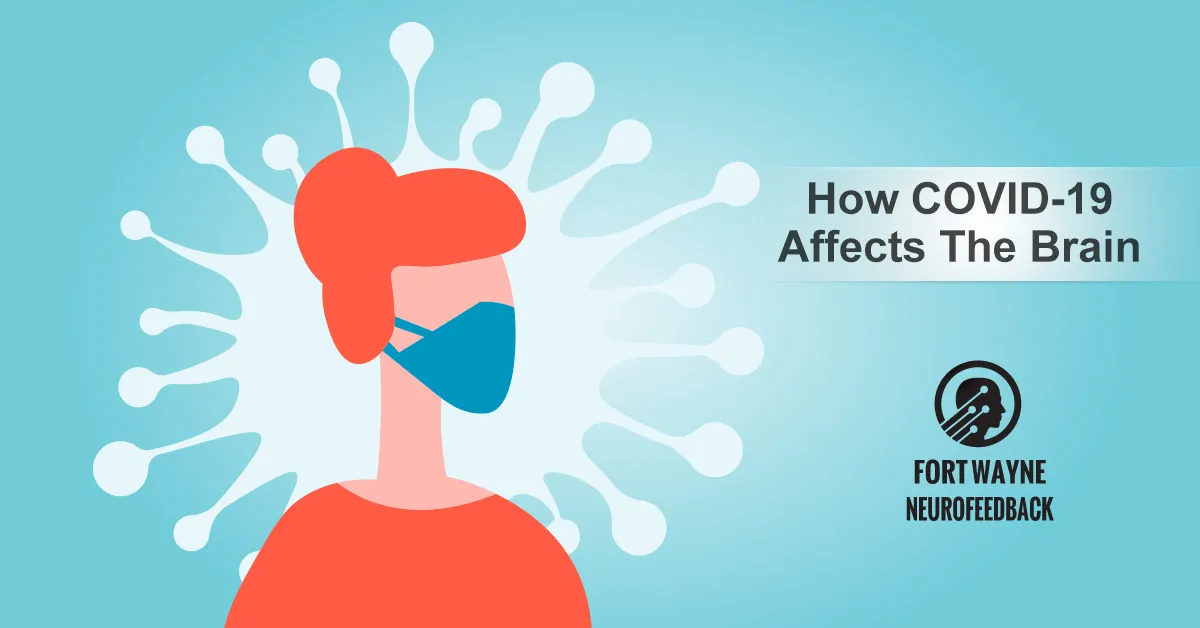
How COVID-19 Affects The Brain
From Johns Hopkins: Patients with COVID-19 are experiencing an array of effects on the brain, ranging in severity from confusion to loss of smell and taste to life-threatening strokes. Younger patients in their 30s and 40s are suffering possibly life-changing neurological issues due to strokes. Although researchers don’t have answers yet as to why the […]
Understanding Brain Fog
While Brain fog may not be a medical term, but it’s something many people with chronic illness know well. Brain fog can mean a lack of mental clarity, poor concentration, and more. Living with brain fog is hard…it affects everything you do throughout the day, every interaction you have. Here are 7 things to know: […]

ADD Similarities
"These are examples of how ADD presents with uniquely different behaviors in a given child. Although different, each behavior is caused by the same type of brain dysregulation. By the way, not every case that presents with symptoms like these three examples is ADD. There are many other disorders that must be ruled out before […]

The Benefits Of Neurofeedback
The human brain is one of the most complex and amazing things on earth. Just think of all that we have accomplished in the span of a few thousand years, and how much more we will accomplish in the next millennia. All of it is due to the incredible power of the human brain. For […]

Hypoactive ADD can be helped.
"Linda was the stereotype of the ADD child with hypoactivity. She sat in class daydreaming and doodled on her notebook paper. She would draw little cartoon characters and have them say funny things. Some cartoons were very clever, but the notepaper was devoid of classroom notes. Linda was sweet, polite, and pretty; she was also […]

Anxiety & Stress: There Is A Better Solution
Even before COVID-19 changed our lives, the rates of stress and anxiety had been climbing steadily in the US. This can be attributed to many factors, such as worries about money and the busier lifestyle people find themselves in with extra family and work obligations. Mental health has become a serious issue, enough so that […]

ADD: Incognito
"Gerald was an easy diagnosis compared to Karl, a fourteen-year-old truant. He was in trouble with school officials for fighting, had a brush with the law for petty vandalism, and was a chronic marijuana smoker. He was the classic skinny little tough guy, yet no one considered him ADD. As it turns out, he used […]

Neurofeedback Help For Insomnia & Sleep Issues
Sleep is one of the most critical functions that your body and mind performs. It allows you to regenerate, recuperate and refresh all the important parts of your body. Without proper sleep, it’s like operating your body at a reduced power and efficiency. Would you drive a car that only went half as fast? When […]

ADD: Over-Stimulation and Overload
"A normally functioning brain selects what to pay attention to and it takes an event of a certain magnitude to get it to change focus. If a non-ADD person is in the restaurant and a door slams, they may be slightly distracted but they do not necessarily lose their focus. The person with ADD can […]

ADD's Different Faces
THE DIFFERENT FACES OF ADD BEHAVIOR "As you can see, ADD can present in many different ways even though the primary problem is inadequate arousal level. Because ADD looks different from one person to the next, some people do not think ADD is a disorder, a real and often devastating disorder, and one that […]

How To Deal With An ADHD Child In Public
Children with Attention-deficit hyperactive disorder will often have deficits in executive function, which is the ability to think and plan ahead, to organize, control impulses and complete tasks. As a result they will not only have trouble understanding how to do what you are asking them, but will also have trouble trying to understand why […]

ADD's Different Faces
THE DIFFERENT FACES OF ADD BEHAVIOR "As you can see, ADD can present in many different ways even though the primary problem is inadequate arousal level. Because ADD looks different from one person to the next, some people do not think ADD is a disorder, a real and often devastating disorder, and one that […]

ADD, Attention, Electronic Devices
" Arousal is the basic problem with ADD, but attention may play a major role in the person's dysfunction. If a child cannot attend, boredom is a chief complaint. Remember, boredom is always a result of inattention. An individual with good attentional skills can spend a long time examining a leaf; someone with poor attentional […]

What Common Conditions Can Be Treated with Neurofeedback?
Neurofeedback is a type of brain training or biofeedback that uses real-time data to stimulate proper brain function and train the patient to regulate their own brain waves. Neurofeedback is approaching mainstream acceptance: this article in the Washington Post about neurofeedback extols its virtues as an adjunct treatment for a wide variety of brain disorders, […]
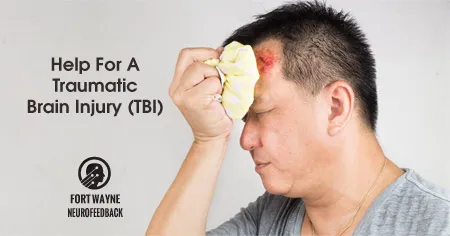
Neurofeedback for Traumatic Brain Injury (TBI)
A Traumatic Brain Injury (TBI) is a brain dysfunction caused by an outside force, usually a violent blow to the head. These TBI'S are often called concussions. In fact, 30% of all injury related deaths in the US include a traumatic brain injury. As of 2016, every day, 138 people in the United States die […]

ADD Attention-Focus Challenged
"Focus is the SPOTLIGHT that allows us the ability to pick our one object, task, or thought and work on it to the exclusion of other things. This is attention. People with ADD not only lack an adequate level of arousal but they often cannot focus on one specific task. This in part is arousal […]

ADD: Arousal and Attention
"THE RELATIONSHIP BETWEEN AROUSAL AND ATTENTION: Arousal and attention have a unique relationship. They are not the same but they are dependent on each other. Arousal is the level of intensity, how bright or dim the light is, whereas attention is how focused the light is. Compare an ordinary hundred-watt bulb to a hundred-watt […]
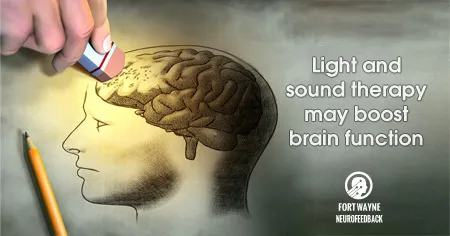
Light and sound therapy may boost brain function
New research reveals that an innovative light and sound stimulation therapy can clear toxic plaque buildup in the brain and reduce some of the symptoms of Alzheimer’s disease and impaired cognitive functioning. The hallmarks of Alzheimer’s disease in the brain include the formation of beta-amyloid plaques and the amalgamation of tau, a toxic protein that […]

Feeling Depressed? Neurofeedback May Help
Feeling Depressed? Neurofeedback May Help According to the National Institute of Mental Health, anyone experiencing some of the following symptoms consistently for at least two weeks may be suffering from depression: • Persistent sad, anxious, or “empty” mood• Feelings of hopelessness, or pessimism• Irritability• Feelings of guilt, worthlessness, or helplessness• Loss of interest or pleasure […]
Inside an ADD Head
"If you would like a glimpse of what it is like to have ADD, just imagine someone walking into your room in the middle of the night, waking you from a sound sleep, and asking you to balance your checkbook. It is not that you do not have the intellect to do the task; you […]

Neurofeedback Gaining Mainstream Acceptance
According to Newsweek magazine, Neurofeedback has gone mainstream. "The promise of neurofeedback is to shift our brain waves back to health without drugs, exercise or even meditation. Clients suffering from ADHD, PTSD, anxiety, anger or depression can simply sit in a comfortable chair for 30 minutes and get a mental tune-up, if not a complete […]

ADD, Concentration Challenges
"The chronic low-arousal state in ADD is like someone trying to work in a dimly lit room. It is hard to concentrate, stay on task, and complete the job. It is easy to become discouraged, frustrated, bored, and depressed. The chronically under-aroused brain may seek stimulation. Stimulation seekers are frequently hyperactive; there is often a […]

Alternate Treatment Options For Anxiety and Panic Disorders
As a result of COVID-19, the world is a different place. Many people are out of work or furloughed. Many medications are in short supply. As a result, anxiety related issues are very much on the rise. With people sheltering in place and wondering if they’ll have jobs to come back to, many are suffering […]

Achieving Peak Performance With Neurofeedback
The phrase “Peak Performance” is a popular buzzword now. In today’s hyper-competitive world, we seek out every advantage we can get. This can include modifying our food intake, supplements and using apps to help us get that little extra edge. However, many people are overlooking the most important factor in enhancing performance: your brain. When […]
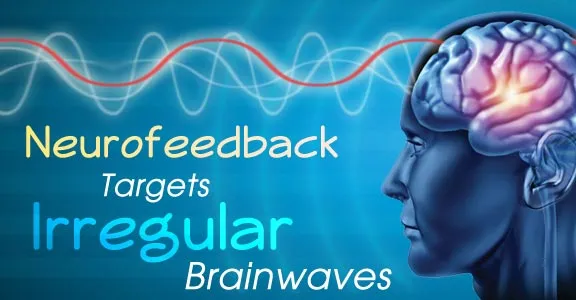
ADD: Over or Under Aroused. Natural Help.
"The brain can be either over-aroused (speeded up) or under-aroused (slowed down), and in either case it will not function the way it is designed to. If the brain is in over-arousal, we may be jumpy, hyper or anxious, looking at too much, trying to take too much in, paying attention to everything at […]
ADHD Brain is Sleepy Brain
"The Problem is Arousal, Not Attention: Let us first look at the underlying physiological problem of ADD. The bulk of scientific evidence accumulated since the 1940s indicates that the central feature of ADD is poor regulation of the brain's arousal state. The most convincing argument to explain the role of arousal (how sleepy […]

Taking Psychiatric Medications? Why You Need A Brain Map Before You Do.
Here’s a fact: Currently there are NO LAB TESTS that can help a doctor determine what psychiatric medications may work for you. Most of it is guesswork based on your existing conditions and how you answer their questions. As a result, you may be taking certain medications that can actually MAKE THINGS WORSE! This is […]

PTSD & Neurofeedback: A Recent Study Shows It Can Benefit
It is widely acknowledged that United States military veterans are subjected to traumatic events given the nature of their missions. One in five veterans returning from Iraq and Afghanistan conflicts have been identified as experiencing symptoms of PTSD. PTSD symptoms can include agitation, irritability, hostility, hypervigilance, self-destructive behavior, social isolation, flashbacks, fear, severe anxiety, mistrust, […]

Permanent Migraine Relief Using Brain-Based Therapy
According to Web MD there are 150 different types of headaches. But migraines fall into a special category: They are often triggered directly from the brain, resulting from inflammation in the cerebral blood vessels. So it would make sense that a permanent solution would-need to target the brain directly. That is why researchers have been […]

ADD, More Girls than Boys?
"ADD Affects More Boys than Girls" ? It is generally accepted that there is a much greater incidence of ADD in boys than in Girls. The DSM-IV states that the ratio of males to females ranges from four to one to nine to one . We contend this is an incorrect notion and may […]

ADD Age of Onset
"The DSM-IV diagnosis definition requires that some attentional or behavioral problem be present before the age of seven, but it is easy to miss the cues. This is a disorder that may manifest in utero or may not be recognized until college Children with excessive hyperactivity frequently let their mothers know they are ADD before […]

ADD Behaviors Are Complex
"We feel that ADD includes all of the above areas and perhaps more. For example, it is common for a child or an adult with ADD to have depression. Considering the trouble they have learning and achieving, it's no wonder. In the case of oppositional and/or aggressive behavior, this can be a result of not […]

What’s Better For ADHD: Neurofeedback Or Medications?
When it comes to reducing or eliminating symptoms associated with attention deficit disorder (ADD/ADHD), there are many different approaches. A recent university study sought to determine which was better, a physiological approach (medications) or a neurological one (neurofeedback). Both have their benefits, but which one does more to alleviate symptoms: Let's find out. A 2018 […]

Bipolar Disorder – Alternative Therapies That Work
It can be said that bipolar disorder is not just one mental health condition, but a combination of many. These include depression, anxiety, anger, severe mood swings, suicidal thoughts, focus problems and more. It has been called a "psychiatric life sentence" with the patient often abusing drugs or alcohol throughout out life. Unfortunately, like many […]

The Importance Of Exercising Your Brain
You may have noticed that neurodegenerative diseases like Alzheimer’s, dementia and Parkinson’s are on the rise. While the exact cause is still under debate, scientists agree that every person should take steps to slow cognitive decline now while they are younger. Just like physical exercise helps your body last longer, mental exercise helps your brain […]

ADD Undiagnosed Females
"Not all ADD children are bouncing off the walls. Some children quietly slip away into daydreaming and seldom cause trouble in school. They are often a great worry to parents who notice their detachment and aloneness. Such children are seldom labeled ADD, and they are never labeled hyperactive. A large number of these children are […]
How To Improve Insomnia & Sleep Disorders
How To Improve Insomnia & Sleep Disorders In today’s electronic, caffeine-driven society, it’s not too surprising that a large number of Americans are having trouble sleeping. In addition to an over-consumption of caffeine and sugar, we are exposed to a constant bombardment of radiation (cell phones), electromagnetic frequencies (wifi networks) and declining air quality. This […]

ADD and Electronic games
"Sporadic performance is common in ADD. The child may make 95 on one test and 45 on another, even though the parents knew the child prepared for both tests. It is as if his brain goes on vacation for the second test. Parents and professionals alike are often misled when the child can sit for […]
ADD Diagnosis/DSM-IV
"The "bible" of mental disorders is known as the Diagnostic and Statistical Manual of Mental Disorders, Fourth Edition (DSM-IV). This book is ostensibly the last word on what is and what is not a mental disorder. It lists ADD under "Disruptive Disorders," and clearly outlines the criteria for diagnosing ADD and ADD-type behaviors. However […]
Can Neurofeedback Help Parkinson’s Disease?
Parkinson’s disease is caused by a breakdown in the nerve cells that make dopamine, a neurotransmitter. This breakdown affects a person's motor function, causing uncontrollable shaking and loss of voluntary muscle movement. About 1 million Americans live with it, and as of now there is no known cure. However, studies have shown that brain-based therapies […]
ADD Diagnosis?
"A typical scenario in our society is that Johnny is disruptive in class, so the teacher tells the parents, He needs to be on Ritalin. The busy parents, both of whom work, take Johnny to the over-worked pediatrician. They describe Johnny's disruptive behavior, poor attentional skills, and bad grades. Johnny is placed on Ritalin. Johnny's […]
ADD Improve Naturally
"Neurofeedback is perhaps the biggest breakthrough in non-invasive medicine in the last fifty years. It is a self-regulating process that offers the patient some control over his own recovery. Although patients are usually helped by such treatments as nutritional strategies, elimination of toxins, allergy treatments, homeopathy, and behavior modification, neurofeedback can stand alone as the […]
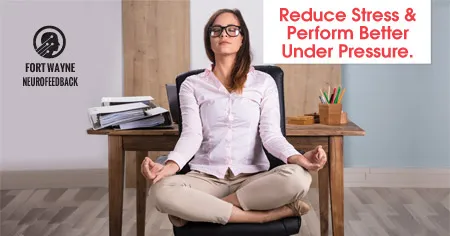
How to Reduce Stress & Perform Better Under Pressure.
The Columbia University School of Engineering and Applied Science is world renown. The faculty and alumni of Columbia Engineering have won 10 Nobel Prizes in physics, chemistry, medicine, and economics. So when they publish a study, people take notice. Recently, they completed a study on the effects of neurofeedback based on the idea that humans […]

Don't Ignore Your Brain
The brain is the control center for your entire body. Everything from cognitive thinking to breathing, regeneration and pain management run through the brain. If you’re taking steps to take care of your body, then you definitely need to take care of the brain. The key to keeping the brain healthy is understanding how it […]

ADD History of Natural Care
"Professor Joe Kamiya of the University of California at Berkely got this approach started in the 1960s with his pioneering research in alpha brainwaves. Then, in the 1970s, Dr. Barry Sterman of the Sepulveda, California Veterans' Administration Medical Center Research Services did much of the early work in epilepsy. If you could change the brainwaves […]
Neurofeedback Has Potential For Drug Resistant Depression
A small pilot study has indicated that neurofeedback – where patients concentrate on modifying their own brainwave patterns – has potential to treat many of the 100 million people worldwide who suffer from Treatment-Resistant Depression (TRD). This is the first time that neurofeedback has been shown to improve both individual symptoms and overall recovery in […]
Epilepsy and Natural Care
"When the notion of retraining the brain was first discussed, traditional physicians bristled. "You cannot train the brain, we need a medication to speed it up or slow it down." Almost every thing in medicine ultimately boils down to cutting something out or giving a pill–the cut-and-poison track. In contrast to this, there is a […]

Neurofeedback Relief For Fibromyalgia Pain
Fibromyalgia is a clinical syndrome characterized by widespread muscle pain and fatigue, and can severely affect sleep, memory and mood. It is more common in women as they age, but can affect anyone. The origins of fibromyalgia have in recent years been traced back to the brain and how it processes and transfers neural signals. […]

ADHD Natural Care Opposed By Drugs
From Drs. Hill and Castro, Getting Rid of Ritalin. "Mainstream opponents of neurofeedback, who are entrenched in the old medical paradigms or who are beholden to pharmaceutical firms for their research funding, state the wide ranging benefits we claim are anecdotal or temporary. This thinking is typical of those who are wedded to […]

ADHD Natural Solutions
From Getting Rid of Ritalin by Robert Hill, Ph.D. and Eduardo Castro,M.D. "Neurofeedback is a natural, self-regulating approach that helps restore the brain's ability to function in the manner in which it was designed to function. When the brain is restored to its proper functioning, it allows the achievement of all of its intrinsic capacities. […]

ADD and the Experts
From Getting Rid of Ritalin Robert W. Hill, Ph.D. and Eduardo Castro, M.D. "The recognized experts in the ADD field today are little more than exceedingly precise describers of the syndrome. They are very good at describing the problem; but beyond Ritalin and other medications, psychotherapy, and support groups, they have little to […]
Understanding Neuroplasticity
Historical thinking in the field of neuroscience was that the brain you were born with is the brain you were stuck with for life. However, with decades of brain study the emergence of neuroplasticity has challenged this thinking. So just what is neuroplasticity? Neuroplasticity is defined as the capacity of the brain to develop and […]

ADD's Cluster Conditions
From: Getting Rid of Ritalin By: Robert W. Hill, Ph.D. Eduardo Castro, M.D. "The time is overdue for a serious look at our current treatment regimens and for a realistic approach to the cluster of problems that fall under the large umbrella of ADD. There is a pressing need to discuss […]

ADD, ADHD Watch Netflix to Get Well
From: Getting Rid of Ritalin By: Robert W. Hill, Ph.D. Eduardo Castro, M.D. With the many cases of ADD and ADHD, "there were no medications, no major dietary changes, no endless behavior modification or psychotherapy—-just neurofeedback. A simple treatment that involves two treatments a week, in which the patient is connected to a specialized […]

ADHD Stories of Recovery
From: Getting Rid of Ritalin By: Robert W. Hill, Ph.D. Eduardo Castro, M. D. "Seth was a nine-year old. He was failing every third-grade subject and he had no friends. His mother gave him a birthday party and only two children showed up. Seth had been on Ritalin, but it did not […]

Using Neurofeedback to Help Neuropathy
Recently the University of Texas did a study using neurofeedback for neuropathy, and the results were surprising: They observed “clinically and statistically significant reductions in peripheral neuropathy following neurofeedback techniques”. Neuropathy is a debilitating condition in which nerves function improperly due to injury or disease. The most common symptoms are numbness tingling and pain ranging […]

The Importance Of Vision & Learning
In the United States alone, 1 in 5 children are diagnosed with learning and attention issues each year. That’s an astonishing statistic, and one that causes frustration and distress for children who end up feeling shame, fear and anxiety related to school and schoolwork as a result. Their parents, too, become desperate for answers and […]

Stuttering Treatment in Fort Wayne
From: Leigh Brain and Spine Dr. Trish Leigh and Dr. Cosmas Leigh "Stuttering Treatment Center. If you struggle with stuttering, our certified Neurofeedback doctor at Fort Wayne Neurofeedback can perform the proper testing in order to create a treatment plan for a better way of life. Stuttering begins in the […]

ADD, ADHD Natural Pathways
"There is hope for people with ADD as well as its companions, hyperactivity, aggressiveness, violent behavior, and substance abuse: neurofeedback. Neurofeedback is a sophisticated form of biofeedback that actually trains the brain to speed up. It can do on a permanent basis what Ritalin can only do for a few hours, and there are no […]
Neurofeedback For Anxiety Treatment
Here is a fact that may surprise you: Anxiety related disorders are the most prevalent type of mental health disorders in America. This includes general anxiety, panic disorder, social anxiety disorder, agoraphobia, separation anxiety and more. It is far more common in younger aged adults and lower in those over 50. With todays societal pressures, […]
ADD & Ritalin
From: Getting Rid of Ritalin By: Robert Hill, Ph.D. Eduardo Castro, M.D." "Slow brainwave activity is at the core of ADD. Ritalin is a stimulant and it speeds up the brain. It is, however, only a temporary treatment. Remove the stimulant and the brain slows down again. Not only does Ritalin […]
Neurofeedback Can Boost Performance Abilities
For those who live near Fort Wayne…whether you perform live on a regular basis or are practicing your craft at home, studies have shown that neurofeedback can significantly improve your ability to perform at your best. Why? Neurofeedback can improve creativity, reduce performance anxiety and improve overall focus. It allows your body to relax and […]

What Does Covid-19 Do to Your Brain?
Scientists are racing to figure out why some patients also develop neurological ailments like confusion, stroke, seizure, or loss of smell. By now you’re probably familiar with the typical hallmarks of Covid-19, the disease that has so far killed more than 125,000 people around the world: fever, cough, difficulty breathing. But stories of other, stranger […]

Ritalin for toddlers
From: Biofeedback for the Brain by Paul G. Swingle, Ph.D. "The increase in the use of these dangerous drugs is alarming. In addition to a threefold increase in the use of stimulants with two-to four-year-old toddlers from 1991 to 1995, surveys indicate major increases in the use of all psychotropic medications with children. […]

ADHD, Anxiety, TBI and Natural Self-Regulation
From: The Healing Power of Neurofeedback by Stephen Larsen, Ph.D. "The discipline called "neurofeedback" or "neurotherapy" is itself a subdiscipline of "biofeedback," a term broadly used for techniques of self-regulation. In biofeedback, a machine is used to generate electronic signals that inform a person about factors such as his or her hand temperature or […]

AUTISM: An Alternative Approach
Autism is a condition that effects 1 in 88 children, according to estimates from the Centers for Disease Control. Until recently, treatments for autism have been limited to changes in diet, supplements, or other interventions. But since Autism is a brain based problem, it would make sense that the best way to address it would […]

ADHD, Anxiety, Depression- Natural Help
From Biofeedback for the Brain by Paul G. Swingle, Ph.D. "The evidence speaks for itself. Neurotherapy is a primary-care alternative for the treatment of many disorders that have traditionally been sedated, if they could be corrected at all. It truly satisfies the medical credo Primum Non Nocere, "First, do no harm." Problems in […]

ADHD, Anxiety Natural Cures
From Biofeedback for the Brain by Paul Swingle "Many of us have had "ah-ha" and "om" experiences. The ah-ha experience is an instant burst of insight in which an explanation, a problem solution, or the proper course of action suddenly occurs to us. In our culture, the om experience is less common. It is […]
Severe Anxiety and Natural Remedy
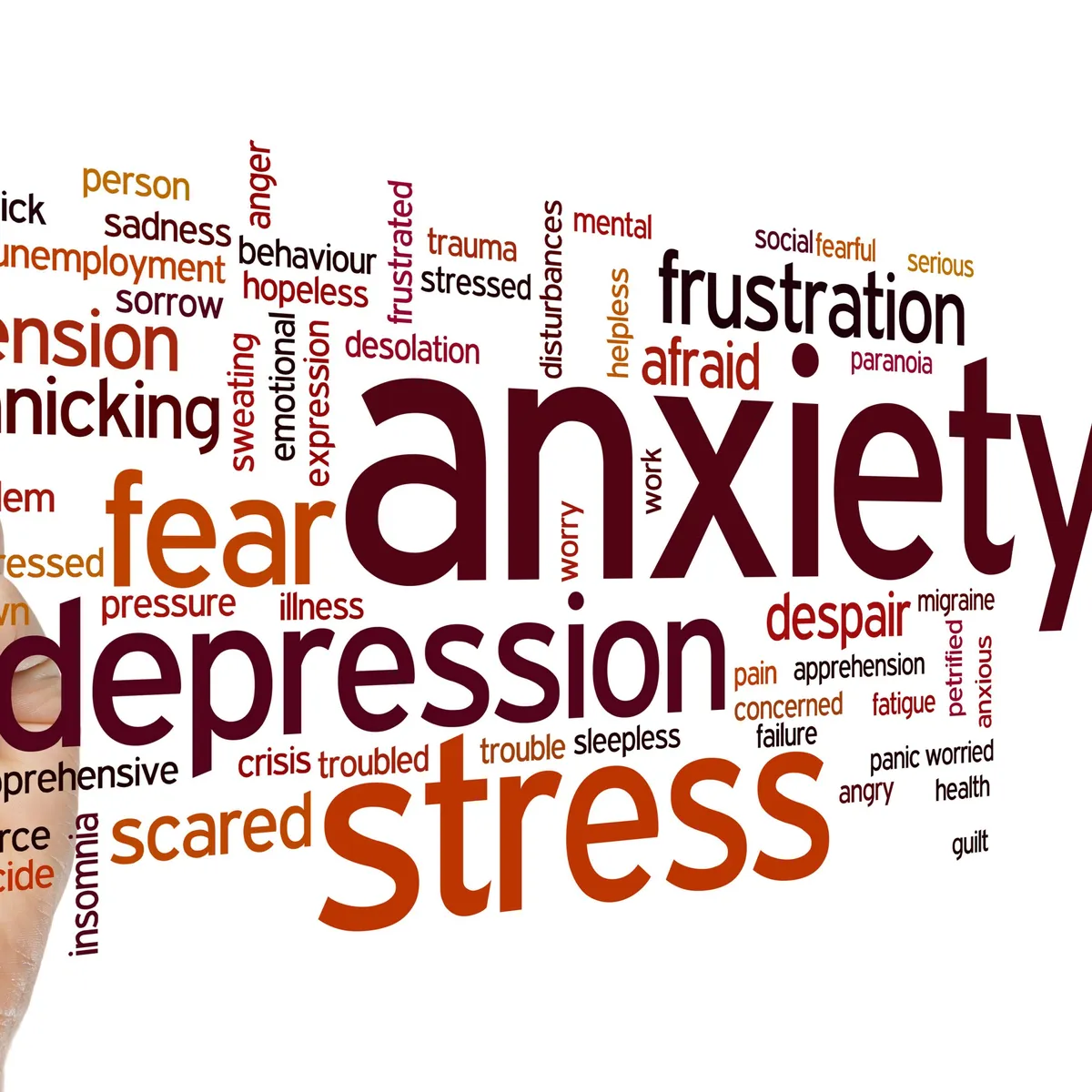
From Biofeedback for the Brain by Paul G. Swingle, Ph.D. "Question: I received neurotherapy treatment for a severe anxiety condition. I found that my general health seems to have improved as well. Is this improvement related to the neurotherapy? Answer: The improvement could be either a direct or an indirect benefit of the treatment. Increasing […]
Traumatic Brain Injury: What You Can Do About It
There are on average two million reported brain injuries every year in the US. Up to 50 percent of those can have enduring symptoms six months or more after the injury (source-Jacobson, 1995). A traumatic brain injury (TBI) can result in problems with memory recall, behavior, emotional control and attention. Those affected can also become […]

Sports Psychology and Neurofeedback
From: Biofeedback for the Brain by Paul E. Swingle, Ph. D. " FREQUENTLY ASKED QUESTIONS: Q: Why do some sports teams have psychologists? A: Psychologists can really help teams play better. Some psychologists help players keep their minds sharply focused on the game. Neurotherapists (neurofeedback) also can help by making a player's brain more […]
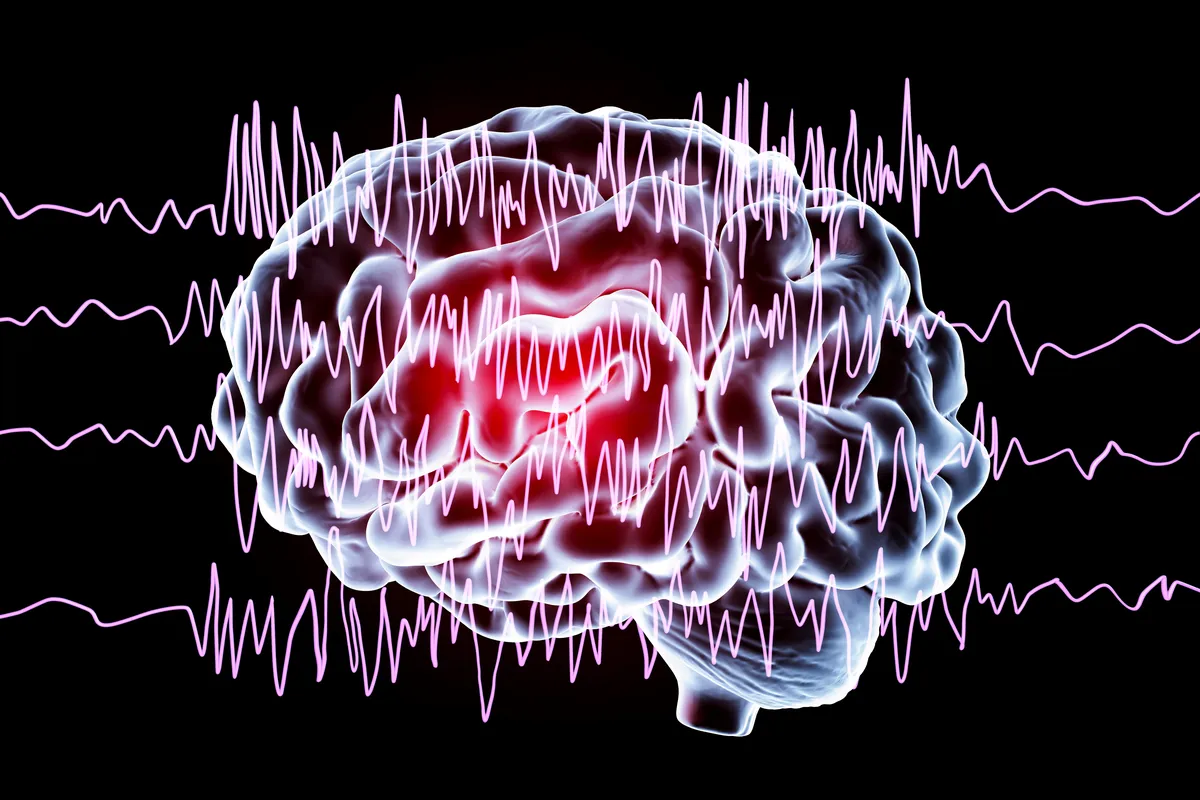
Optimal Brain Function Naturally
From: Biofeedback for the Brain by Paul G. Swingle, Ph.D. "Although the major focus of this book is the neurotherapeutic treatment of disorders, neurotherapy can be directed at heightening brain efficiency in people without disorders. As I explain to my clients, you can think of neurotherapy as a continuum running from left to […]

ADHD, Anxiety, Depression. TBI: Best Natural Help
The Promise of Neurotherapy in the Future From Biofeedback for the Brain by Paul G. Swingle, Ph.D. "THE FIELD OF NEUROTHERAPY IS DEVELOPING AT AN ACCELERATED PACE. For diagnosis and assessment, therapists are able to compare the brain functioning of clients to data banks of the brain functioning of many different groups of people. […]
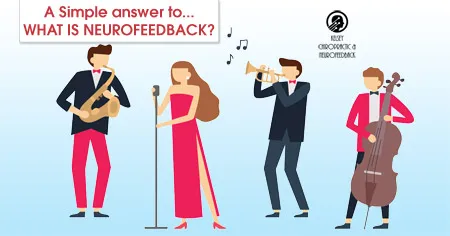
A Simple Answer To “What Is Neurofeedback”
We get asked a lot, "What Is Neurofeedback?" Here is simple answer: Imagine a musical quartet. 3 of you know a song by heart, but the fourth doesn’t. As a result, any performance will suffer, even though 3 of you know the song perfectly. The effect of that fourth player impacts the entire performance. So […]

Get Back In “The Zone” With Neurofeedback
Stay In Control And Function Under Pressure To understand how easily the brain can impact our ability to stay in control, imagine you are walking across a balance beam. If the beam is only 6 inches off the ground, this is a simple task. But if the beam is 60 feet off the ground, panic […]

Neurofeedback And Sleep Issues: How It Can Help
Here’s a Fact: The brain regulates sleep. Specifically, delta brainwaves are responsible for the deepest levels of relaxation and restorative, healing sleep. Adequate production of delta waves helps us feel completely rejuvenated after we wake up from a good night’s sleep. Many people will often turn to medications to help them sleep better. While these […]

Misophonia
Sensitivity To Sound: There’s A Name For That…And A Solution Misophonia is an over-sensitivity to sounds that can trigger feelings of anxiety, anger and fear. Many people suffer from this condition without ever knowing it. Simple sounds that most people tune out, like the hum of an air conditioner, can become unbearable for those with […]

Ritalin and ADHD
From Biofeedback for the Brain by Paul G. Swingle, Ph.D. "Nora Volkow, a psychiatrist with the Brookhaven National Laboratories, points out that Ritalin is a more potent dopamine transport inhibitor than cocaine. The inhibitors increase dopamine in the brain, which, in turn, has a stimulating and energizing effect. The typical dose of Ritalin for […]

Absence Seizures and Neurofeedback
From Biofeedback for the Brain by Paul G. Swingle, Ph.D. "Jerry's blank periods seemed to be absence seizures. An absence seizure is a condition in which the person appears to go blank, stares "through you." does not respond to verbal commands, and appears to be in a hypnotic trance. The seizures may occur frequently […]
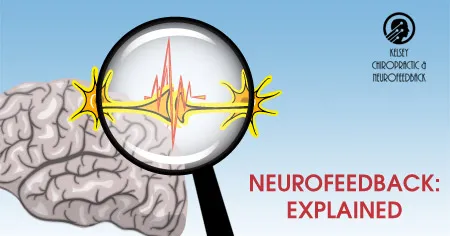
Neurofeedback Explained
Here’s How Neurofeedback Works For Most Mental Health Conditions A lot of people simply don’t understand neurofeedback. This explains why many are hesitant to try it. But for anyone dealing with issues relating to their brain, neurofeedback could be the best option for healing. So let’s learn how neurofeedback works. Imagine a series of islands […]

Autism: Crying, Laughter
From Biofeedback for the Brain by Paul G. Swingle, Ph.D. Question and Answer about Autism and Breakthroughs: "Question: My son is being treated for autism. Recently he is crying more than usual and seems shy around people. Histherapist says this is OK. Should I be concerned? Answer: When autistic […]

Obsessive Behavior: How to overcome the urges
Most people have some minor form of obsessive behavior. Whether it’s a simple routine of having your coffee first thing when you wake up or needling to organize a closet or room constantly. It serves as a minor therapy to make you feel better about the space around you. However, for some people the obsessive […]
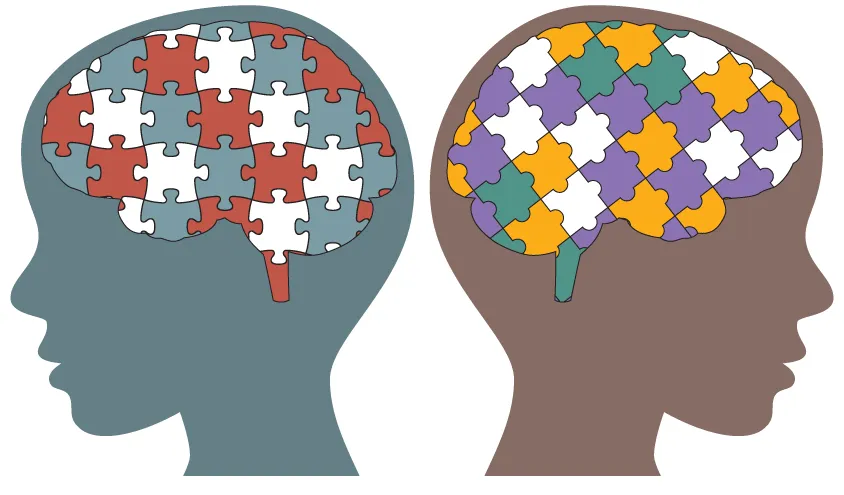
Autism and Asperger's
From: Biofeedback for the Brain By: Paul G. Swingle, Ph. D. "Q: What is the difference between Autism and Asperger's? A: Both these conditions vary in symptoms and severity, so there can be some degree of overlap. However, one feature that often distinguishes the two conditions is that of […]

Brain Injury and Neurofeedback Studies
FromBiodfeedback for the Brain by Paul G. Swingle, Ph.D. "Some of the studies on the efficacy of neurotherapeutic treatment of brain injury have been encouraging. Jonathan Walker, a neurologist in private practice in Dallas, and his associates conducted a study of twenty-six patients with TBI treated with neurotherapy. Of these patients, 88 percent […]

Living With Dementia: An Alternative To Drugs May Help
It can be extremely hard to watch a parent or grandparent slowly slip away and lose their precious memories of family. While dementia is a terrible way to live one’s final years, it can be far tougher on those who are tasked to care for them. Here is something you may not know: Previous studies […]

Obsessive Compulsive and Neurofeedback
From: Biofeedback for the Brain by Paul G. Swingle, Ph.D. "The ratio of particular importance at the frontal midline is the HF/beta ratio. The normal range has been found to be between 0.45 and 0.55. Values much above this range indicate obsessive, compulsive, inflexible, and highly repetitive behaviors. Values below this range are […]

Traumatic Brain Injury and Neurofeedback
From Biofeedback for the Brain by Paul G. Swingle, Ph.D. " TRAUMATIC BRAIN INJURY: Neurotherapy (Neurofeedback) can be considerable benefit in the treatment of mild TBI. . . . .the full brain map is analyzed for high theta/beta and delta/beta ratios. An injury sustained in an automobile accident in which the person struck the […]

Is Your Child Bouncing Off The Walls? There Could Be A Reason
Let’s face it, young kids need constant stimulation. Their minds are still developing and they are curious about everything. This is a good thing and all part of growing up. But excessive energy or an inability to maintain control or focus could be a warning of a bigger issue. Sustained Hyperactivity could signal a misfire […]

Do Neurofeedback Benefits Last?
From Biofeedback for the Brain by Paul G. Swingle, Ph.D."FREQUENTLY ASKED QUESTIONS: Q: I have heard when you stop taking antidepressant medications, the problems return. Is this also true of neurotherapy (neurofeedback)? A: Once neurotherapy fixes a brainwave anomaly, it's fixed. Relapses are rare provided the brain changes have been stabilized." pg. 167.

Anti Depressant Medications and Neurofeedback
From Biofeedback for the Brain by Paul G. Swingle, Ph.D. "Question and Answer on Depression Medications' Cessation and Neurofeedback Q: My antidepressant medication really works for me. Why should I stop? A: You should stop for the same reasons alcoholics should stop burying their feelings in booze. Long-term drug effects are problematical; […]

Stress Kills Brain Cells: Here’s What You Can Do About It.
There is now overwhelming scientific evidence that stress kills brain cells. Since stress is a “state of mind”, it would make sense that the part of the body most affected would be the mind. Stress often comes from many different sources, including work, family, relationships, money, and much more. While we may not have full […]

Depression and Neurological Patterns
From Biofeedback for the Brain by Paul G. Swingle, Ph.D. "Neurological patterns associated with depression, are inequality of frontal-lobe activity, deficiency of slow-wave activity (theta) or excessive fast-wave activity (beta) in the occipital (back) region of the brain, and deficiency in the 13-15 Hz activity (SMR) over the sensory motor cortex. Whether these conditions […]

Neurofeedback For ADHD…A Modern Day Solution?
You may have heard of "brain training" to boost intelligence or memory. If you or a child has the symptoms of attention deficit hyperactivity disorder (ADHD), there's a type of brain training some researchers think may improve focus and help other symptoms too. It's called neurofeedback. Several studies, including a review of five different ones […]
Neurotherapy (Neurofeedback) Primary Treatment Option
From Biofeedback for the Brain by Paul G. Swingle, Ph.D. "Neurofeedback has a broad reach. It is evolving into a primary-care alternative to prescription drugs for many disorders. Rather than sedating overactive children or forgetful seniors, neurotherapy changes the neuro-physiological bases of the problem. When administered by licensed and well-trained professionals, neurotheray has no […]

PTSD Recovery With Neurofeedback
PTSD is characterized by severe anxiety following a traumatic event. Symptoms may include flashbacks, nightmares and uncontrollable thoughts about the event. PTSD can be a complicated and sometimes confusing disorder. Certain risk factors such as childhood experiences, past trauma, and a family history of depression may make a person more susceptible to the disorder. Since […]

Why You Should Consider Neurofeedback (Hint: It Works!)
You may have heard the name neurofeedback before and wondered what it is. Some may think it’s just some fad or a dangerous untested medical procedure. You are not alone, especially with all the misinformation available online. But 50 years of research have demonstrated that neurofeedback should be given serious attention. Here's why: Brainwaves affect […]

Bipolar Depression and Neurofeedback
From: Biofeedback for the Brain by Paul G. Swingle, Ph.D. "FREQUENTLY ASKED QUESTION Q: I have bipolar depression. Can neurotherapy help? A: Typically with bipolar clients, I find problems in the frontal lobes and usually a slow-frequency deficiency in the back of the brain. With multiple problematical areas to be corrected, […]

Oppositional Defiance Disorder and Neurofeedback
From: Biofeedback for the Brain by Paul G. Swingle, Ph.D. "When alpha waves are stronger on the right relative to the left frontal cortex, confrontational and defiant behavior often results. When the difference is greater than 20%, the child (or adult) usually has difficulties with inappropriate aggression, defiance, and negativity. . . . […]

Chronic Pain Or Fatigue? Your Brain Could Be The Cause
Chronic pain is defined as any pain lasting more than 12 weeks. Chronic fatigue is a feeling of exhaustion or tiredness that does not go away with sleep. It is estimated that 20% of the US population suffers from one of these conditions. Interestingly enough, recent research has shown that the BRAIN may play an […]

Reactive Depression and Neurofeedback
From Biofeedback for the Brain by Paul G. Swingle, Ph.D. "FREQUENTLY ASKED QUESTIONS: Q: I never had a problem with depression, but recently I lost my job, and I cannot seem to get over feeling hopeless and very sad. My doctor suggested antidepressant medication. Do you agree? A: The distinction between neurologically based […]
"ADD" and Sleep Problems
From Biofeedback for the Brain by Paul G. Swingle, Ph.D. FREQUENTLY ASKED QUESTION Q: I have ADD and a sleep problem. Are they related? A: Of the many forms of ADD and sleep disorders, some share common neurological anomalies. I frequently have clients whom we treat for ADD comment […]

Overcoming Addiction With Neurofeedback
Consider this: The entire body is regulated by the brain, which is basically a complex system of information-laden circuits called neurons. Introducing drugs and alcohol into the brain can confuse this circuitry, which is why these narcotics can cause people to act reckless and irresponsible. Now imagine what can happen to the brain after long […]

"ADD"- Talkative, Interrupts
From Biofeedback for the Brain by Paul G. Swingle, Ph.D. "The brains theta/alpha ratio should average about 1:3. A ratio less than 1.0 signals a form of "ADD" that is usually associated with talkativeness, verbally interruptive behavior, and intellectual flightiness. Individuals with this form of ADD are incessant talkers who constantly interrupt others." […]

Migraines And Neurofeedback
A migraine is much more than a headache. It is a debilitating neurological condition that can cripple even the strongest person and leave them unable to function. Migraines do not always respond to aspirin or normal headache remedies and can include sensitivity to light and sound. An estimated 13% of adults in the U.S. experience […]

"IQ" Can Be Increased With Neurofeedback
From: Biofeedback for the Brain by Paul G. Swingle, Ph.D.FREQUENTLY ASKED QUESTIONS: Q: I have heard that many professional athletes have been treated by neurotherapists. Can neurotherapy improve the performance of activities other than sports? A: "Very decidedly so. At the very least, neurotherapy (neurofeedback) will increase your IQ." Dr. […]

Lyme Disease And Neurofeedback
Lyme Disease is an infectious disease caused by a tick bite lasting more than 48 hours. It is estimated that 300,000 people become infected with Lyme Disease every year. Many people don’t know they are infected. But if it goes untreated, the infection can spread to the joints, the heart and the nervous system. Patients […]

PTSD, Dreams, and Neurofeedback
From Biofeedback for the Brain by Paul G. Swingle, Ph.D. "FREQUENTLY ASKED QUESTIONQ: I had an alha/theta treatment at the back of my head and that night I had many dreams. The next day I was quite emotional but after a few days I felt great. What happened? A: Clients frequently recall long-forgotten […]

"ADD" Patterns Can Look Worse While Actually Improving
From Biofeedback for the Brain by Paul G. Swingle, Ph.D. "FREQUENTLY ASKED QUESTIONS: Q: My husband thinks that neurotherapy is BS because our daughter's brainwave ratios became worse after we started treatment, even though her teacher felt she was improving. Is the treatment working, even though the numbers got worse? A: […]
Could Your Brain Be Telling You Something?
Our brains are very good at letting us know when something is wrong. Being tired, angry or just confused could be signals that the brain needs attention. However, fatigue may not just be a lack of sleep. Likewise, anger may be more than a reaction to present events. It could be that the brain is […]

Drugs and Neurofeedback: Frequently asked Questions
From Biofeedback for the Brain by Paul G. Swingle, Ph.D. "FREQUENTLY ASKED QUESTION: Q: My son uses drugs. He will not come to see you, and I think the reason is because he thinks you will be able to tell that he has used drugs. Can you tell from his brain if he has used […]
Autism and Asperger's Brainwaves on qEEG
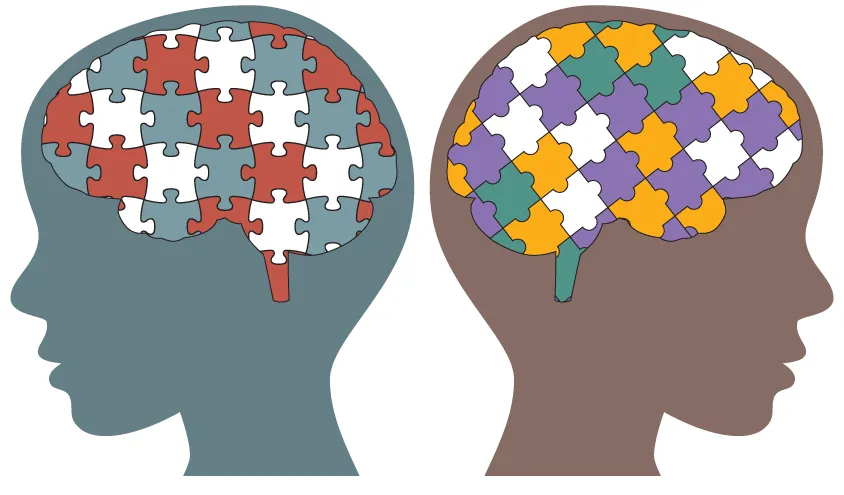
From Biofeedback for the Brain by Paul G. Swingle, Ph.D. "Excessively high theta amplitude in the back portions of the brain is often found in children with autism and Asperger's. . . . . High theta/beta ratios in the back of the brain are related to the detached states seen in autism; the […]

Alcoholics and Neurofeedback
Frequently Asked Questions in Biofeedback for the Brain by Paul G. Swingle, Ph.D. "Question: I come from a long line of alcoholics, so obviously it's genetic. Can neurotherapy help my predisposition toward alcoholism? Answer: The brain is remarkably plastic, meaning it can be modified. So even genetic conditions can be modified."

Autism and Neurofeedback Questions
From Biofeedback for the Brain by Paul G. Swingle, Ph.D. " FREQUENTLY ASKED QUESTION" Q: My autistic daughter was treated by a nurse who conducted brainwave biofeedback. My daughter became much worse. The nurse said that this outcome had nothing to do with her treatment and that my child was not a good candidate […]

Epilepsy: Frequently Asked Questions
From Biofeedback for the Brain by Paul G. Swingle, Ph.D. "FREQUENTLY ASKED QUESTIONS: Q. I am epileptic, and my doctor says I have to take medication for the rest of my life. She says there is no evidence that neurotherapy helps. Does neurotherapy (neurofeedback) reduce seizures? A. Go to the Internet and look up neurotherapeutic […]

Seizures, SMR Natural Recovery Protocol
From Biofeedback for the Brain by Paul G. Swingle, Ph.D. "The use of SMR for clinical purposes was discovered by chance. Barry Sterman, now professor emeritus at the University of California School of Medicine, found that SMR in cats could be increased in amplitude by experimental procedures that quieted the cat's body. He […]

Alzheimer's and Natural Neurofeedback "Tune Up"
From Biofeedback for the Brain by Paul G. Swingle, Ph.D. "A tune-up treatment often used for elderly people who feel they are becoming mentally sluggish or forgetful is to increase alpha parking/unparking efficiency. This type of treatment is also used to correct iatrogenic "Alzheimer's" disorder–that is, symptoms that mimic Alzheimer's but are caused by […]

Depression in Children
From Healing Young Brains by Robert Hill, Ph.D. and Eduardo Castro, M.D. "Often children do not demonstrate the typical signs we think of as depressive signals; instead, some children become more irritable and defiant. They are often angry about not feeling well and so they act out or show irritability or impulsivity. They get […]

Depression in Children
From:Healing Young Brains by Robert Hill, Ph.D. and Eduardo Castro, M.D. DEPRESSION affects all ages. "We do not normally think of children being depressed, but depression knows no social, economic, gender, or age boundaries. There are many children with dysregulated brains who manifest symptoms of depression. Many children diagnosed with ADHD and other […]

Tension Headaches and Neurofeedback
From Healing Young Brains by Robert Hill, Ph.D. and Eduardo Castro, M.D. TENSION HEADACHES "The second type of headache we see is the tension headache. We generally approach this type of head pain similarly to the way we approach stress and anxiety. The muscle contraction, or tension, headache is different from the migraine. It is […]

Migraine Headaches and Neurofeedback
From Healing Young Brains by Robert Hill, Ph.D. and Eduardo Castro, M.D. "To simplify the problem, migraines are due to the dilatation of the scalp arteries, in other words, there is too much blood in the scalp arteries. This type of headache usually starts with vasoconstriction ( a narrowing of arteries that reduces the blood […]

Seizure Reduction through Neurofeedback
Healing Young Brains by Robert Hill, Ph.D. and Eduardo Castro, M. D. This may sound like an awesome task, but Dr. Sterman and his colleagues were able to train cats to make more SMR. This is not fantasy or magic, it is simply a training program. If we give the brain information about how inside-the-skin events […]

Seizures and Neurofeedback Therapy
From Healing Young Brains by Robert Hill, Ph.D., and Eduardo Castro, M.D. "Seizures are caused by abnormal and excessive amplitude brainwave spiking. The spikes are known as epileptiform discharges That means that you get a very high spike(s) in the brainwaves. It is like a strong burst of energy in a particular area of the […]

Seizures, Neurofeedback & Cats!
So what do cats have to do with seizures? Read on to find out. Perhaps one of the most interesting issues in using neurofeedback to treat disorders is the fact that almost all of our early research was on the treatment of drug-refractory cases of epilepsy. now, most neurofeedback therapists see very few cases of […]

Cognitive Decline & Dementia
Mild Cognitive Impairment duration is 7 years. Mild Alzheimer's is 2 years. Moderate Alzheimer's 2 years, and Severe Azheimer's is 3 years. As the disease progresses, Alzheimer's spreads throughout the brain impairing many brain areas and the function associated with those areas. Neurofeedback's Brain Brightening Program helps slow this process down and in many cases […]

Obsessive-Compulsive Disorder: Anatomy and Neurofeedback
Neurofeedback in the Treatment of Developmental Trauma by Sebern F. Fisher, M.A. foreward by Bessel van der Kalk, M.D. "Obsessive-Compulsive Disorder (OCD) is known to be a problem of overactivation of the anterior cingulate. This structure misfires and its signals are transmitted over neural networks that connect the cingulate to other structures. OCD is also […]

Oppositional Defiant Disorder & ADHD
From Healing Young Brains by Robert Hill, Ph.D. and Eduardo Castro, M.D. "The essential features of oppositional Defiant Disorder (ODD) are, of course, being defiant and/or oppositional. ODD also includes a chronic negative attitude. In the more severe cases, there is overt hostility toward authority, which can eventually lead to trouble with the law. Children […]

ADHD and Lack of Protein at Breakfast
From: Parenting Children with ADHD/10Lessons That Medicine Cannot Teach by Vincent J. Monastra, Ph.D. "Neurotransmitters like dopamine are manufactured in our bodies from foods with high protein content, such as meats, fish, poultry, eggs, dairy products, certain beans, and nuts. This manufacturing process takes place primarily in the morning and early afternoon. Although the body […]

Neurofeedback: Good News and Bad News from Psychology Today
Letter to the Editor: "The good news is that Jim Robbins' recent story on EEG neurofeedback motivated readers to trawl the internet to learn more. We were surprised when several found us at…..to ask about the …and book we are producing on Dr. Eugene Peniston and Alfonso Bermea, and about their success in treating alcoholism, […]

Anxiety and ADHD, Natural Cure Neurofeedback
From Healing Young Brains by Hill, Ph.D., and Castro, M.D. ANXIETY is a very pervasive disorder that also knows no boundaries. Anxieties are prevalent in every nook and cranny of this and every other country, and they are not limited to age, gender, or socioeconomic status. CHILDREN frequently have anxieties about […]

Sleep Disorders: Insomnia in Adults and Children
Listen to Fred Moore's comments on how we helped him sleep naturally and normally every night after neurofeedback treatments. He had rarely slept over three hours a night for many years. Our treatments helped him both professionally and in his personal life. He and many of our ADD/ADHD children sleep better. From Healing Young Brains […]

Understanding Misophonia
From WebMD "Misophonia. Do Nails on a chalkboard make you cringe? Imagine if a sound could make you panic or fly into a rage. This is the case with misophonia . . . . a strong dislike or hatred of specific sounds. Misophonia, also known as selective sound sensitivity syndrome, starts with a trigger. It […]
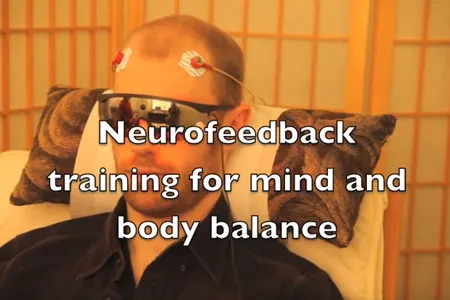
Addiction, Alcohol, ADHD Neurofeedback
From Healing Young Brains. By Hill, Ph.D., and Castro, M.D. " Alcohol, drugs, and ADHD are freequent companions. Virtually every study we have seen supports this conclusion, and it certainly holds up in our clinical practice. Using drugs and alcohol is an "easy" way to cope with difficult situations. As one of our twenty-year-old patients […]

Neurofeedback in practice successful ADHD treatment
From Healing Young Brains by Robert Hill, Ph.D. and Eduardo Castro, M.D. The essential features of oppositional defiant disorder (ODD) are, of course, being defiant and/or oppositional. ODD also includes a chronic negative attitude. In the more severe cases, there is overt hostility toward authority, which can eventually lead to trouble with the law. Children […]

Brain training: The future of psychiatric treatment?
What if you could make your brain healthier by watching a movie? From Harvard University comes the following: "Brain training is becoming increasingly feasible using a technique called neurofeedback, which allows individuals to change the way their brains function by responding to personalized feedback about how their own brains work naturally. This is one approach […]

Traumatic Brain Injuries and Whiplash
Biofeedback for the Brain. Paul G. Swingle, Ph.D. "The brain is nearly always capable of recovery and growth. Mark Rosenzweig's research at the University of California at Berkeley showed the brain-cell populations are affected dramatically by experience. At a fundamental level, Bruce Lipton has shown that genes do not determine behavior but must be "turned […]

High Performance Neurofeedback for Traumatic Brain Injuries
HEAD INJURY: from Healing Young Brains, Castro, M.D., and Hill, Ph.D. Head injuries come in a variety of forms. Head trauma can have external causes, as in the case of a car crash, or internal injuries, as in the case of a stroke. Though the brain is incredibly tough, it is also quite delicate. It […]
Depression, Anxiety, ADHD, TBI and Clear Mind Neurofeedback
Neurofeedback is widely used to treat depression, and those in the industry believe that given the number of different protocols–beta, SMR, alpha-theta, alpha–there are few instances in which drugs will be necessary in the future to treat depression. At Spectrum both beta/SMR training and the alpha-theta protocol are used, sometimes separately and sometimes together. While […]

Anxiety, Panic Attacks, Obsessive-Compulsive
"Imagine if you will, living in a state of constant worry. Sometimes it is just a sense of uneasiness, at times it is a chronic state of fear, and at still other times, it is a paralysis of will. There are people who spend their entire life bracing for what could happen. Some individuals are […]

New Focus on ADHD/ADD: Neurofeedback training explained and compared to medication
ADHD and ADD, Anxiety, Depression, TBI From A Symphony in the Brain: "What I found was a small subculture of people who enthusiastically practice brain wave biofeedback: the simple science of quantifying subtle electrical information from a person's brain, amplifying it, and sharing it with that person, who can then control the information in a […]
ADHD, Attention Deficit Disorder Natural Cures
https://www.youtube.com/watch?v=hNR_DitnSe4 Chris Kaman Uses Neurofeedback www.youtube.com ESP "In November 2012, the American Academy of Pediatrics approved biofeedback and neurofeedback as a Level 1 or "best support" treatment option for children suffering with ADHD. Pediatrics. 2014 Mar: 133(3):483-92.doi:10. 1542/peds.2013-2059. Epub 2014 Feb 17. In-school neurofeedback training for ADHD: sustained improvements from a randomized control trial. […]

A Symphony in the Brain
"When I heard there was a new kind of biofeedback that amplifies your brain waves and allows you to make your brain stronger, I thought, wasn't biofeedback something that came and went in the 1960s and 1970s? I had never tried it, but I associated it vaguely with the 70s, the Beatles, transcendental meditation. Biofeedback […]

PEAK PERFORMANCE + NEUROFEEDBACK
From Drs. Kelsey PEAK PERFORMANCE + NEUROFEEDBACK (In our office.) From Healing Young Brains and Neurofeedbck in the Treatment of Developmental Trauma: "Peak performance training is designed to make the already functional individual perform at a much higher level. The difference between two equally gifted athletes, one who excels and one who "also ran," is […]

Amazing TBI Recovery Of Older Olympian
From "Healing the Young Brain" "One of the most interesting cases of head trauma is that of Grandma Luge. Anne Abernathy has competed in six winter Olympic games. When she was just forty years of age, much older than her teammates on the U.S. Olympic luge team, she earned the nickname Grandma Luge. While competing, […]

TBI: NEUROFEEDBACK IMPROVES THE BRAIN
As we have mentioned before, we believe that many cases of ADHD, epilepsy, hyperactivity, and aggressive behaviors are the result of an undiagnosed head injury. This is one of the reasons for the cluster of problems that encompass the primary diagnosis. We are always on the lookout for past head traumas that may present […]

Anxiety And Panic Attacks
From Healing Young Brains, and our Practice: Imagine if you will, living in a state of constant worry. Sometimes it is just a sense of uneasiness; at other times, it is a chronic state of fear; and at still other times, it is a paralysis of will. There are people who spend their life bracing […]
Neurofeedback For Depression
We do not normally think of children being depressed, but depression knows no social, economic, gender, or age boundaries. There are many children with dysregulated brains who manifest symptoms of depression. Many children diagnosed with ADHD and other disorders are actually depressed, and if you clear the depression the attentional and behavioral […]

Autism and Neurofeedback, Early Intervention
(from Healing Young Brains) Parents should be aware of the early signs of autism. Often when autism occurs in infancy, there is an unfolding of behaviors over time. The child: -May not appear to enjoy being cooed to or sung to -May not babble -May not enjoy being lifted or swung -May not make eye […]

AUTISM: From Healing Young Brains by doctors Castro and Hill
"In many ways, autism is the condition that most epitomizes a dysregulation disorder. Varying toxic loads affect different regulatory mechanisms in the brain differently. Children with autism may share any of a number of symptoms, but there is no disorder in the DSM-IV that has such an array of differences. Even in identical twins with […]

More vital, cutting edge information on helping improve the function of autistic families
More vital, cutting edge information on helping improve the function of autistic families. From Healing Young Brains: "The DSM-IV criteria are useful in organizing our thinking about diagnosing autism, but they do not cover the physiological disturbances commonly seen that reveal autism to be a medical disorder. These may be deficits in speech and sensory, […]

Autism
We have had great success at improving the level of functioning in our autistic patients by using neurofeedback and nutrition in addition to present medical care. The following is from Healing Young Brains by Eduardo Castro, M.D. and Robert Hill, Ph.D. They relate to over 30 years helping Autism patients: "Autism: It is one […]
Memory Protection Plan
Memory Protection Plan and Brain Brightening with neurofeedback. You or someone you want to help can have a brain map QEEG and learn the neurological status and find out if the brain is still trainable. Read the following on Dementia and Baby Boomers. You can be proactive about your memory and optimize your mental health. […]

Neurofeedback
Neurofeedback is a quick, noninvasive, cost-effective treatment for a wide variety of disorders that affect not only children, but also adults. So without years of medical treatment, talking pills, or managing difficult diets, without months or even years of traditional therapy or behavior modification, we can successfully treat disorders like autism, ADHD, learning disabilities, and […]
Healing Young Brains
Now we have a really exciting story to tell you. It is a story of heartbreak and hope, of people devastated by a multitude of disorders finding happiness and success, a story of brave and dedicated professionals swimming against the tide of conventional wisdom. In this book, we address the basics of neurofeedback and […]

From the desk of Drs. Vicki and Charles Kelsey
Neurofeedback helps regulate clusters of symptoms. From Healing Young Brains. Robert Hill, Ph.D., Eduardo castro, M.D. "Early in the development f neurofeeback, several practitioners proposed the idea of global dysregulation. The idea behind his theory is that if brainwaves are dysregulated, there is a strong likelihood of a cluster of symptoms rather than […]

The Neurofeedback Solution (from Healing Young Brains by Eduardo Castro, M.D. and Robert Hill, Ph.D.)
This book is about rescuing children from pervasive and devastating disorders that affect millions of young people. Problems like autism, attention-deficit/hyperactivity disorder (ADHD), and even depression can have lifetime consequences. The simple truth is that when we rescue the child, we save the adult. We have seen countless adults who have bemoaned the fact that […]

Exercise with Oxygen Therapy
From the Desks of Drs. Kelsey: EWOT Exercise with Oxygen Therapy: One of many therapies we can use to optimize your health and your life. The Benefits of Oxygen The three basic nutrients without which planet earth could not exist as a home for living things are light, water, and oxygen. Everybody knows that […]
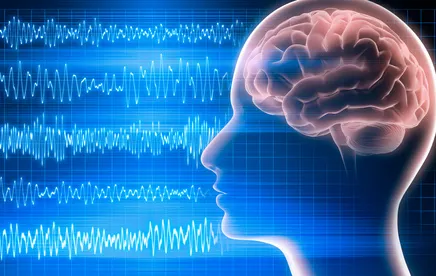
Pediatrics Neurofeedback with ADHD
From the desk of Dr. Vicki Kelsey, In November 2012, the American Academy of Pediatrics approved biofeedback and Neurofeedback as a Level 1 or "best support" treatment option for children suffering from ADHD. Pediatrics. 2014 Mar: 133(3):483-92. doi:10. 1542/peds.2013-2059. Epub 2014 Feb 17 In-school neurofeedback training for ADHD: sustained improvements from a randomized control trial.: […]
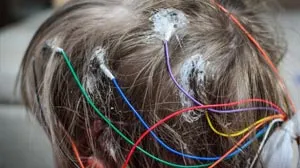
Neurofeedback and Substance Use Disorder
A recent article suggests the possibility that neurofeedback (NFB) can be useful in the treatment of those experiencing substance use disorders (SUD). In this article, I articulate these possibilities further. From the referenced article, I have extracted the following quote attributed to Dr. Othmer. Dr. Sigfried Othmer is director of the EEG Institute and is […]

Neurofeedback To Improve Athletic Performance
During the last decade the use of Neurofeedback techniques to achieve a better athletic performance has been a booming subject. More and more athletes use mental training each day as a means of achieving the ultimate competitive edge. One of the most well-known examples is the Italian football team that won the 2004 World Cup […]

Neurofeedback for Depression
Compelling research evidence exists that there is often a neurophysiological basis for depression, particularly in people with a family history of depression. Neuroscientists have discovered a particular brainwave pattern that allows us to identify individuals with a biological predisposition for developing depression. This biological marker appears to be very robust (Davidson, 1998a, b), having been […]

Neurofeedback Helps Cellist Improve
“Practice makes perfect,” the saying goes. Optimal performance, however, can require more than talent, effort, and repetition. Training the brain to reduce stress through neurofeedback can remove barriers and enhance one’s innate abilities. An article in the journal Biofeedback presents the narrative of a young cellist who was able to realize the potential of his talent and eliminate debilitating […]

What IS Neurofeedback?
What exactly is Neurofeedback and see how it can help children with ADHD type symptoms

Video: Improving Brain Function
Neurofeedback training allows the central nervous system to function better. Video from http://www.eeginfo.com/neurofeedback-videos-media.php

Doctors preach Brain Training to Treat Post-Traumatic Stress
This article was taken from TV station KENS 5 in San Antonioby Sarah Lucero / KENS 5 Dr. Ron Swatzyna remembers Nov. 5, 2009, well. That day, Major Nidal Hassan opened fire at Fort Hood, killing 13 people and wounding dozens of others. But all Swatzyna could think about was what must have been going […]

Video: Post-Traumatic Stress Disorder
Video: Post-Traumatic Stress Disorder

The Broad Reach of Neurotherapy
"Neurotherapy has a broad reach. It is evolving into a primary-care alternative to prescription drugs for many disorders. Rather than sedating overactive c...

Why Daylight Savings In Children and Adults With ADHD Is A Struggle
"Many adults with ADHD and children with ADHD possess a "Night Owl" biology, characterized by a delayed sleep phase. Shifting the clock forward or back clas...