

Neurofeedback for Traumatic Brain Injury (TBI)
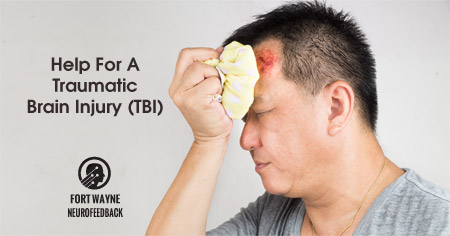
A Traumatic Brain Injury (TBI) is a brain dysfunction caused by an outside force, usually a violent blow to the head. These TBI’S are often called concussions. In fact, 30% of all injury related deaths in the US include a traumatic brain injury. As of 2016, every day, 138 people in the United States die.. read more →
Light and sound therapy may boost brain function
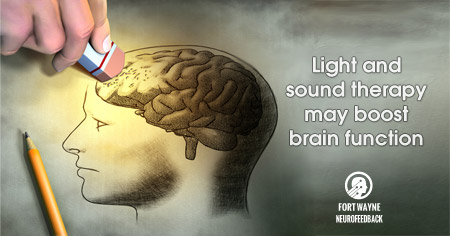
New research reveals that an innovative light and sound stimulation therapy can clear toxic plaque buildup in the brain and reduce some of the symptoms of Alzheimer’s disease and impaired cognitive functioning. The hallmarks of Alzheimer’s disease in the brain include the formation of beta-amyloid plaques and the amalgamation of tau, a toxic protein that.. read more →
Feeling Depressed? Neurofeedback May Help
Feeling Depressed? Neurofeedback May Help According to the National Institute of Mental Health, anyone experiencing some of the following symptoms consistently for at least two weeks may be suffering from depression: • Persistent sad, anxious, or “empty” mood• Feelings of hopelessness, or pessimism• Irritability• Feelings of guilt, worthlessness, or helplessness• Loss of interest or pleasure.. read more →
Neurofeedback Gaining Mainstream Acceptance

According to Newsweek magazine, Neurofeedback has gone mainstream. “The promise of neurofeedback is to shift our brain waves back to health without drugs, exercise or even meditation. Clients suffering from ADHD, PTSD, anxiety, anger or depression can simply sit in a comfortable chair for 30 minutes and get a mental tune-up, if not a complete.. read more →
Alternate Treatment Options For Anxiety and Panic Disorders

As a result of COVID-19, the world is a different place. Many people are out of work or furloughed. Many medications are in short supply. As a result, anxiety related issues are very much on the rise. With people sheltering in place and wondering if they’ll have jobs to come back to, many are suffering.. read more →
Achieving Peak Performance With Neurofeedback

The phrase “Peak Performance” is a popular buzzword now. In today’s hyper-competitive world, we seek out every advantage we can get. This can include modifying our food intake, supplements and using apps to help us get that little extra edge. However, many people are overlooking the most important factor in enhancing performance: your brain. When.. read more →
Taking Psychiatric Medications? Why You Need A Brain Map Before You Do.

Here’s a fact: Currently there are NO LAB TESTS that can help a doctor determine what psychiatric medications may work for you. Most of it is guesswork based on your existing conditions and how you answer their questions. As a result, you may be taking certain medications that can actually MAKE THINGS WORSE! This is.. read more →
PTSD & Neurofeedback: A Recent Study Shows It Can Benefit

It is widely acknowledged that United States military veterans are subjected to traumatic events given the nature of their missions. One in five veterans returning from Iraq and Afghanistan conflicts have been identified as experiencing symptoms of PTSD. PTSD symptoms can include agitation, irritability, hostility, hypervigilance, self-destructive behavior, social isolation, flashbacks, fear, severe anxiety, mistrust,.. read more →
Permanent Migraine Relief Using Brain-Based Therapy
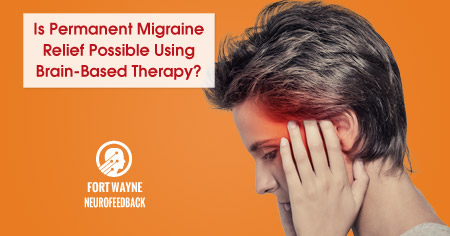
According to Web MD there are 150 different types of headaches. But migraines fall into a special category: They are often triggered directly from the brain, resulting from inflammation in the cerebral blood vessels. So it would make sense that a permanent solution would-need to target the brain directly. That is why researchers have been.. read more →
What’s Better For ADHD: Neurofeedback Or Medications?

When it comes to reducing or eliminating symptoms associated with attention deficit disorder (ADD/ADHD), there are many different approaches. A recent university study sought to determine which was better, a physiological approach (medications) or a neurological one (neurofeedback). Both have their benefits, but which one does more to alleviate symptoms: Let’s find out. A 2018.. read more →